

Don’t You Mean Football? Decoding the Rise of American Soccer Culture
A blueprint for encoding soccer’s culture capital in the United States.

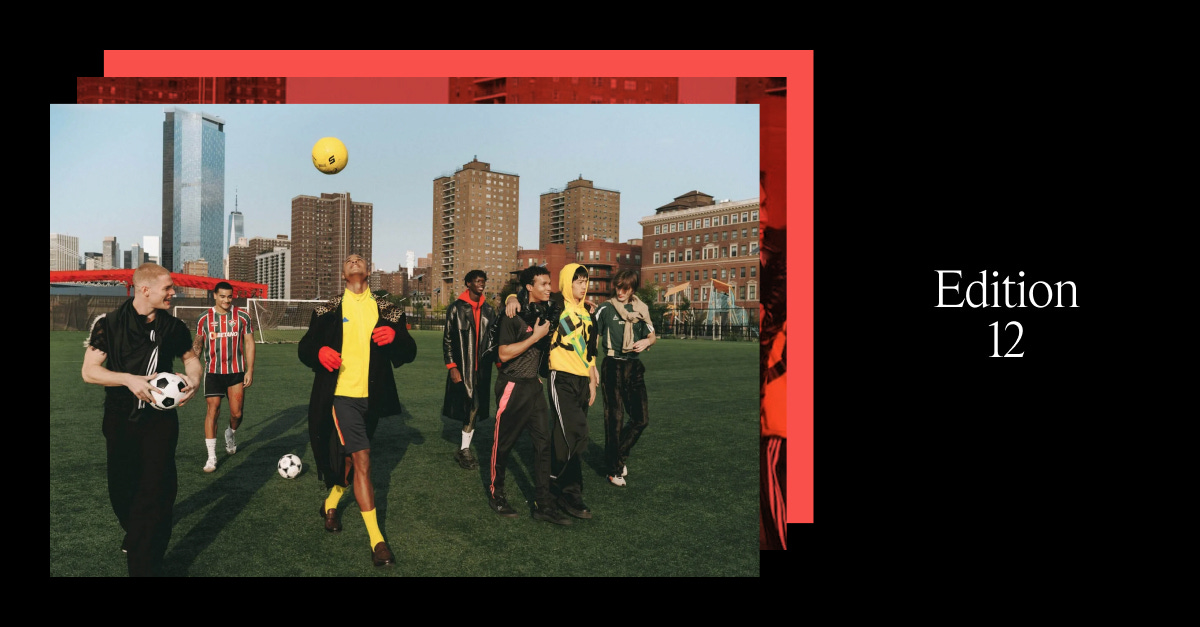
Each issue of Codex, written by a different member of the TRIPTK team, digs into the ephemera, artifacts, case studies, and conversations most interesting to them at the moment.
It’s for readers who want to give more to culture: to contribute vs. appropriate, embed vs. watch from afar, lead vs. follow. Join us for the ride.


Decoding the Rise of American Soccer Culture
I am profusely dripping with sweat as a stranger runs around yelling “It’s cold in here. It’s cold in here!” He’s referring not to the actual temperature but to Chelsea’s third goal in the FIFA Club Cup final. This tournament between international soccer clubs has brought hundreds to a block party in Manhattan’s Chinatown to watch the game, but also to dance, eat, and play.
This experience feels rare in the US. In America, soccer is often a youth sport. It isn’t taken seriously, especially as we enter high school or college. When America does show up in soccer, it’s usually in the context of investing in European clubs or making fun of “soccer moms.”

But recently, something’s changed. Soccer in America is cool. Maybe it’s the “Messi effect”—since Lionel Messi, one of the world’s most famous soccer players, was traded into Inter Miami CF, the team has gained unprecedented national and global attention. MLS viewership is up 5%, or approximately 11.5 million people. This year, the US played host to the FIFA Club World Cup; next summer, the 2026 World Cup will put America’s soccer ambitions (along with Canada and Mexico) on a global stage.
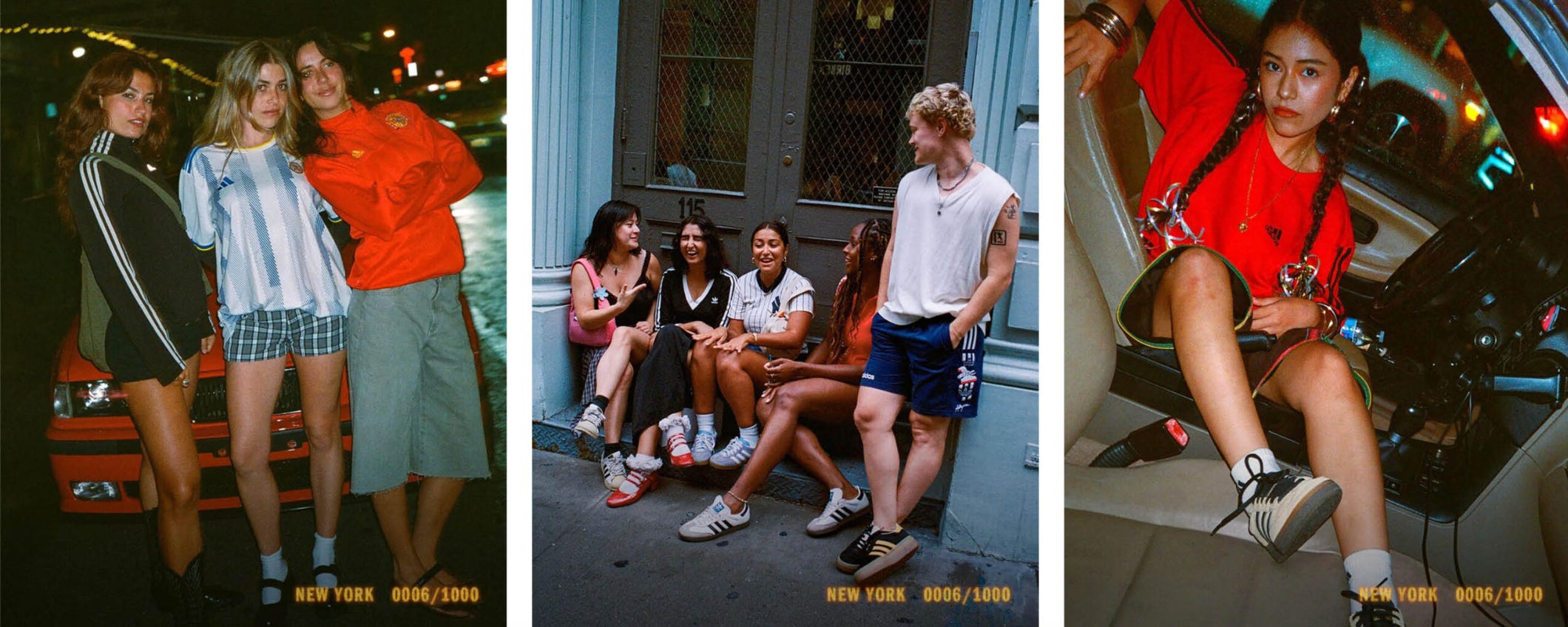
The shift goes beyond viewership as soccer finally begins to stake its place in American culture. In stadiums and beyond, fans and casual viewers are embracing the fashion. Cleats have overtaken the US sneaker market and jerseys—or kits—are the latest fashion statements, especially among women.
This is an inflection point—the moment when soccer could turn from a niche passion or a fleeting trend, into a lasting part of American sports culture. The US is hosting the World Cup and recruiting the best players to prove to the world that we can play at a high level too.
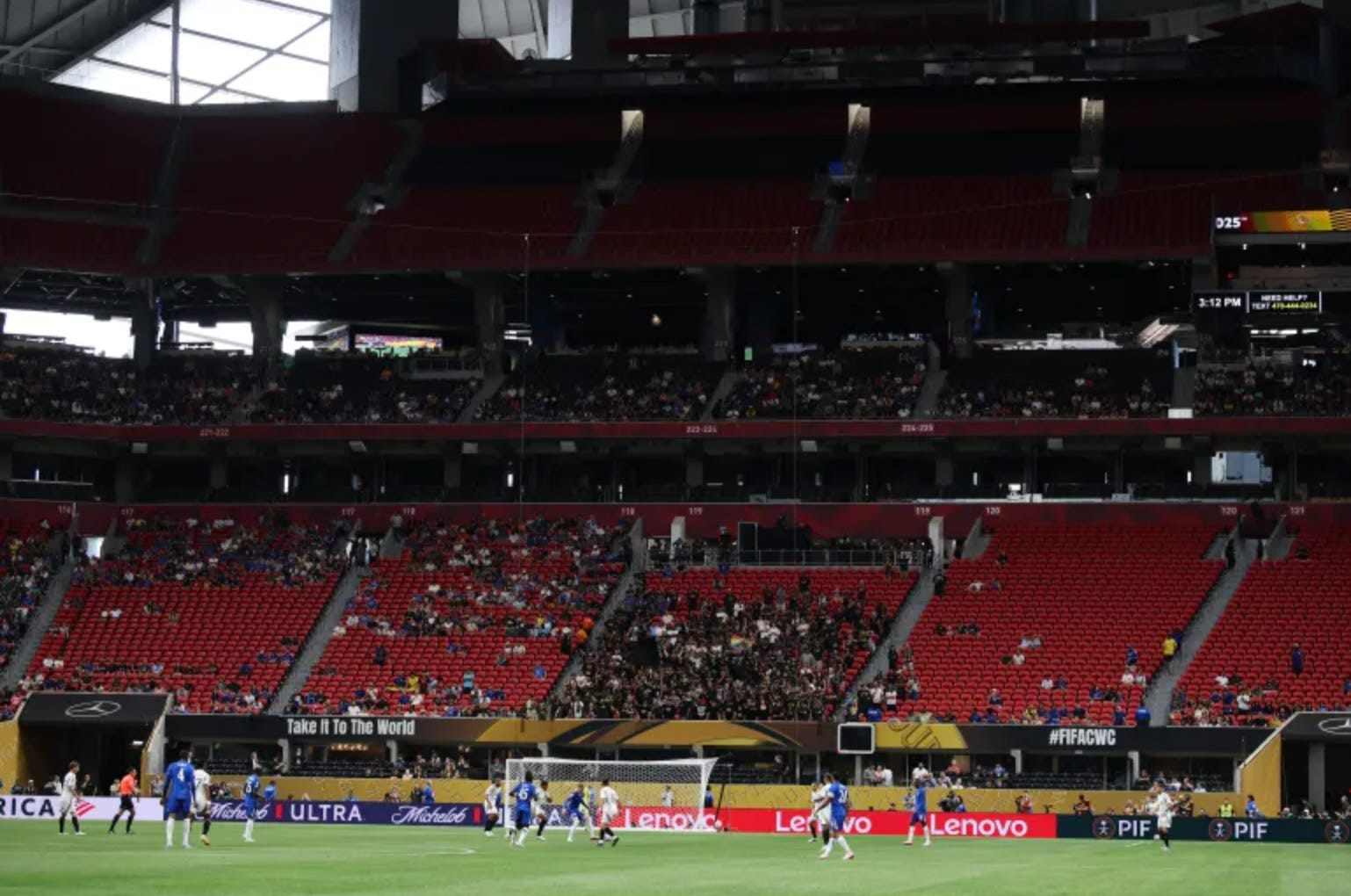
But the US isn’t quite there yet. Many stadiums for the Club Cup were empty, leaving global fans and players disappointed.
Culturally, America is missing the mark. It lacks the foundations other countries have inherited, including street soccer, extreme fandoms, and passionate histories. So, when the US tries to mimic global soccer culture, something doesn’t sit right. How can we celebrate a global game for which we use the wrong word?
When the entire globe calls it football or fútbol, the US calls it soccer. From cheers, to fandoms, to where to sit in the stadium, fans argue that the US always seems to get soccer “wrong.”
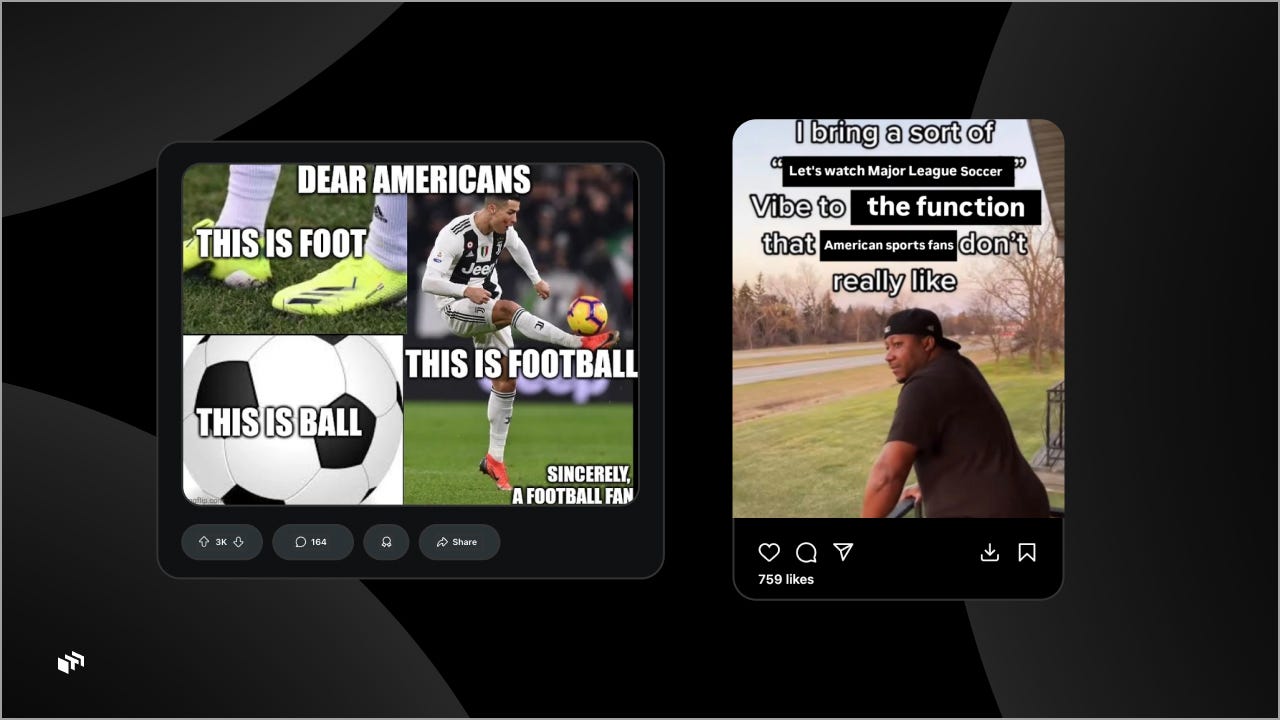
While many Americans find soccer boring, and global fans are locked into international club loyalty, Gen Z is calling for change. How can they reach the impossible-to-define “authentic” American soccer culture? Soccer is cool. It’s global. Gen Z Americans want to be part of it. They want to be insiders to a vibrant soccer culture that they cannot buy nor inherit.
“Gen Z don’t care about ownership structures or league rankings. They care about energy, identity, connection. Authenticity.” The Culture Wars in Football: Why Gen Z Fans Are Forcing Clubs to Rethink Everything, Gameplayer
This is the American tension. We’re eager to engage with soccer, but wanting to do so in a way that feels “authentic.” But if the US cannot buy it nor copy it from other countries, it must reinvent what authenticity looks like here.
Recoding Soccer’s Cultural Capital
To keep pace with the global soccer landscape, the US must cement soccer’s place not just in athletics, but in culture. In short, we must develop soccer’s cultural capital.
As defined by French sociologist Pierre Bourdieu, “cultural capital” is the knowledge, skills, and tastes that signal social status. It can be broken down into three pillars that reflect the different ways cultural knowledge is acquired and valued within society: Institutional, embodied, and objectified. Each can be a tool to understand how to make soccer matter to Americans, and Americans matter to soccer.
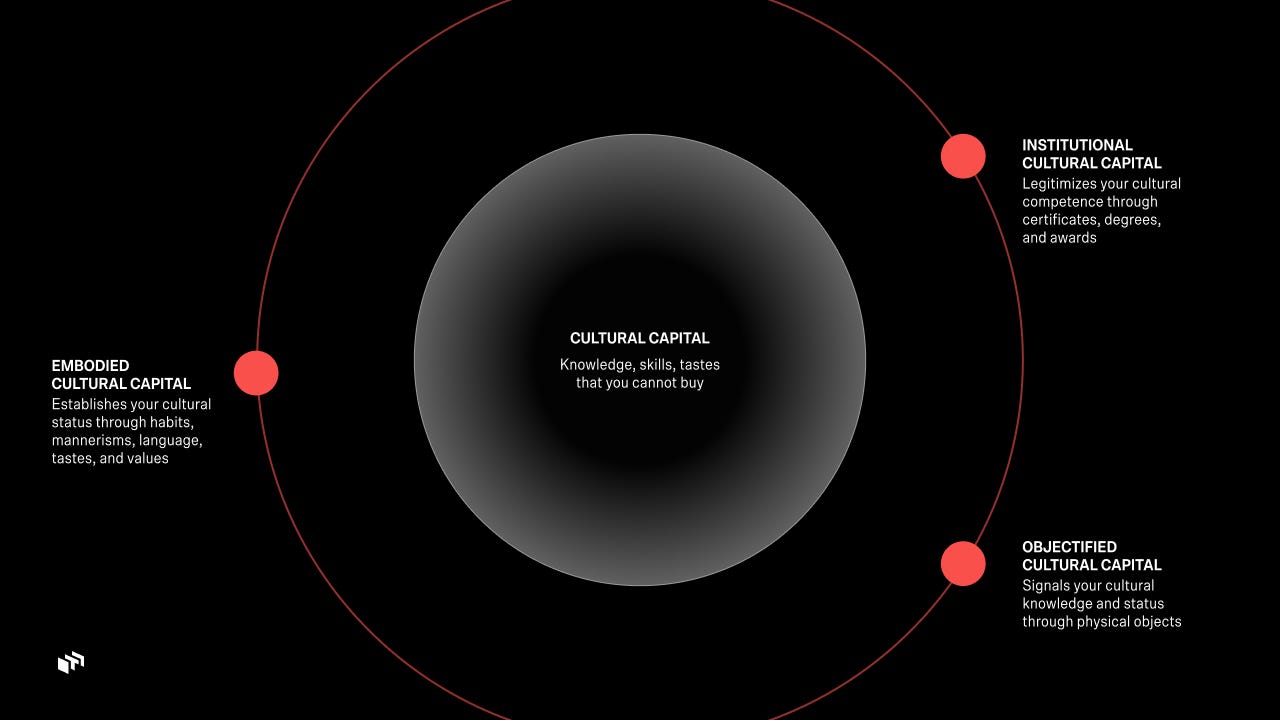
Cultural capital can’t be manufactured by brands, or within a boardroom. But understanding how it works (and collaborating with those who possess it) will be critical to brands that hope to lead in this market.
Instead of looking for cultural capital elsewhere, we must find it where it already exists in the US. Although soccer is not championed by mainstream America, it is very much alive within it. Brands that will lead the soccer market are those that help to recognize and cement its complex cultural ecosystem.
[Disrupt] Institutional Cultural Capital
Institutional cultural capital refers to the qualifications or credentials used to legitimize a social position. Currently, the US over-indexes on institutional cultural capital. Most brands are operating under the myth that only renowned players can legitimize soccer culture on their behalf.
They think a celebrity guest appearance is enough to be part of the soccer ecosystem. However, this institutionalization of soccer only reinforces soccer as a sport to be watched from afar and not one that is part of the American experience. It also alienates America from the vibrant global culture of street soccer—a tradition played outside of institutions. What legitimizes soccer culture in America isn’t that Messi plays for Miami. It’s the fact that Americans are already playing the sport.
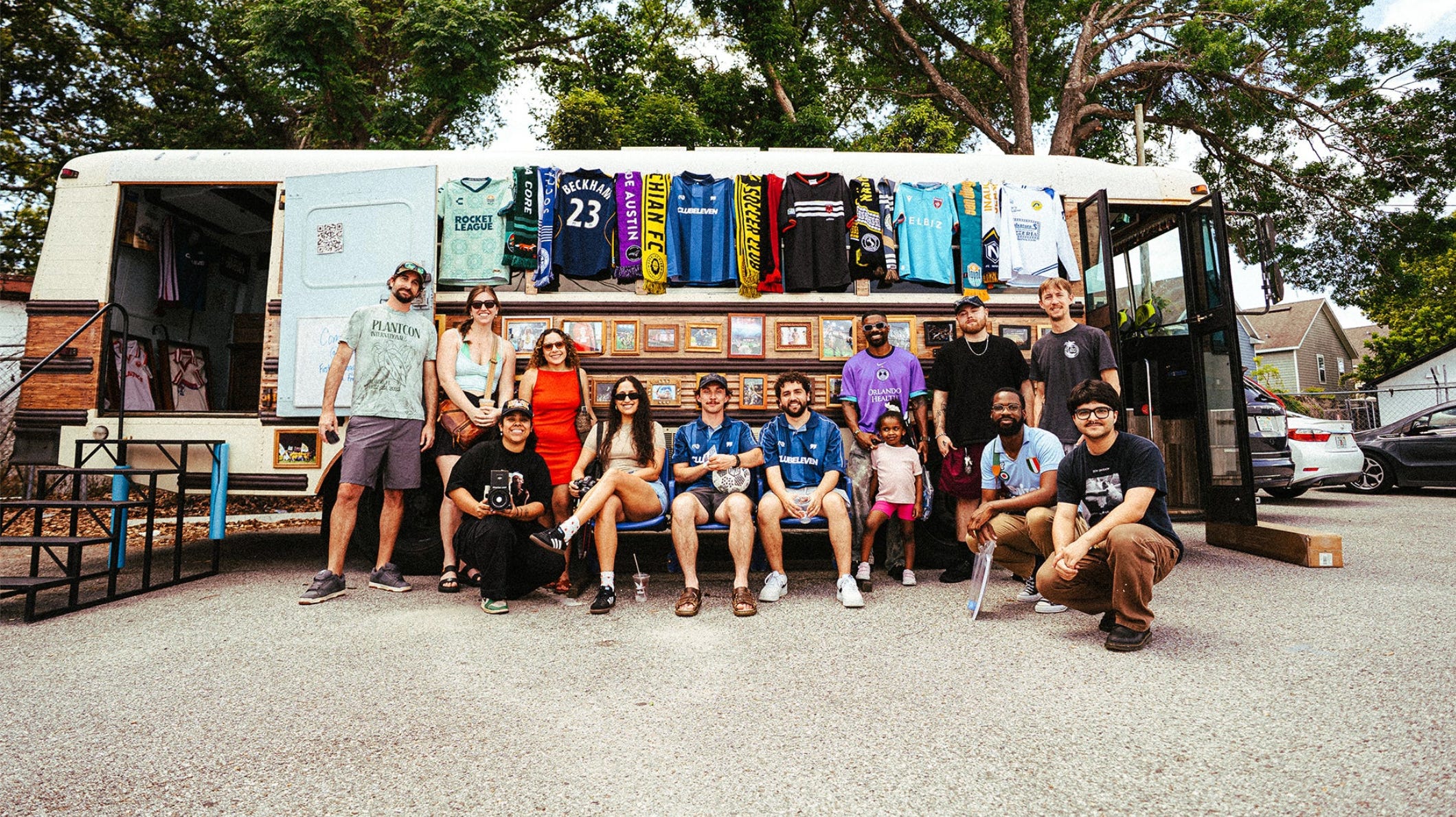
Brands today have the opportunity to disrupt the institution and instead, highlight the robust soccer cultures that exist outside of stadiums. Take The Odyssey Bus, from digital soccer magazine CLUBELEVEN. This refurbished school bus is driving across the country to collect and share fringe narratives of soccer from communities across the country. Rather than waiting for the FIFA World Cup to decide that the US is relevant to soccer, brands can look to the people who are already championing it.
[Remix] Embodied Cultural Capital
Embodied cultural capital refers to things like tastes, mannerisms, and skills. It’s the implicit norms (like what to bring to a party, how to greet someone, how to decorate your house) that are often inherited, but can be cultivated socially.
When global soccer fans think America gets soccer “wrong,” it means America lacks embodied cultural capital. We don’t know the chants, the references, or the cheat codes that unlock meaning. Yet Americans are taking codes from around the world and fusing them with local culture to create something entirely new.
A standout example is the Club Sensacional x Nike block party hosted this July for the Club Cup Final. Club Sensacional is a group working to make NYC into a global hub for football culture. The event lasted eight hours, with Brazilian funk musical interludes and a live salsa band. BBQ smoke from steak sandwiches and corn on the cob wafted through dancing participants—many wearing their new colorful jerseys from the party.
Brands should follow their example: Co-creating with grassroot soccer groups to build something new at the intersection of what matters to local communities and to soccer, creating embodied cultural capital that feels genuine and real.


[Create] Objectified Cultural Capital
This final type of cultural capital refers to the physical objects that convey cultural knowledge. In a Russian literature class, it’s your annotated copy of Anna Karenina. In soccer, it might be wearing a discontinued jersey.
Although the US has never had a thriving soccer culture, it has a long tradition of being at the forefront of athletic-wear and street-wear.
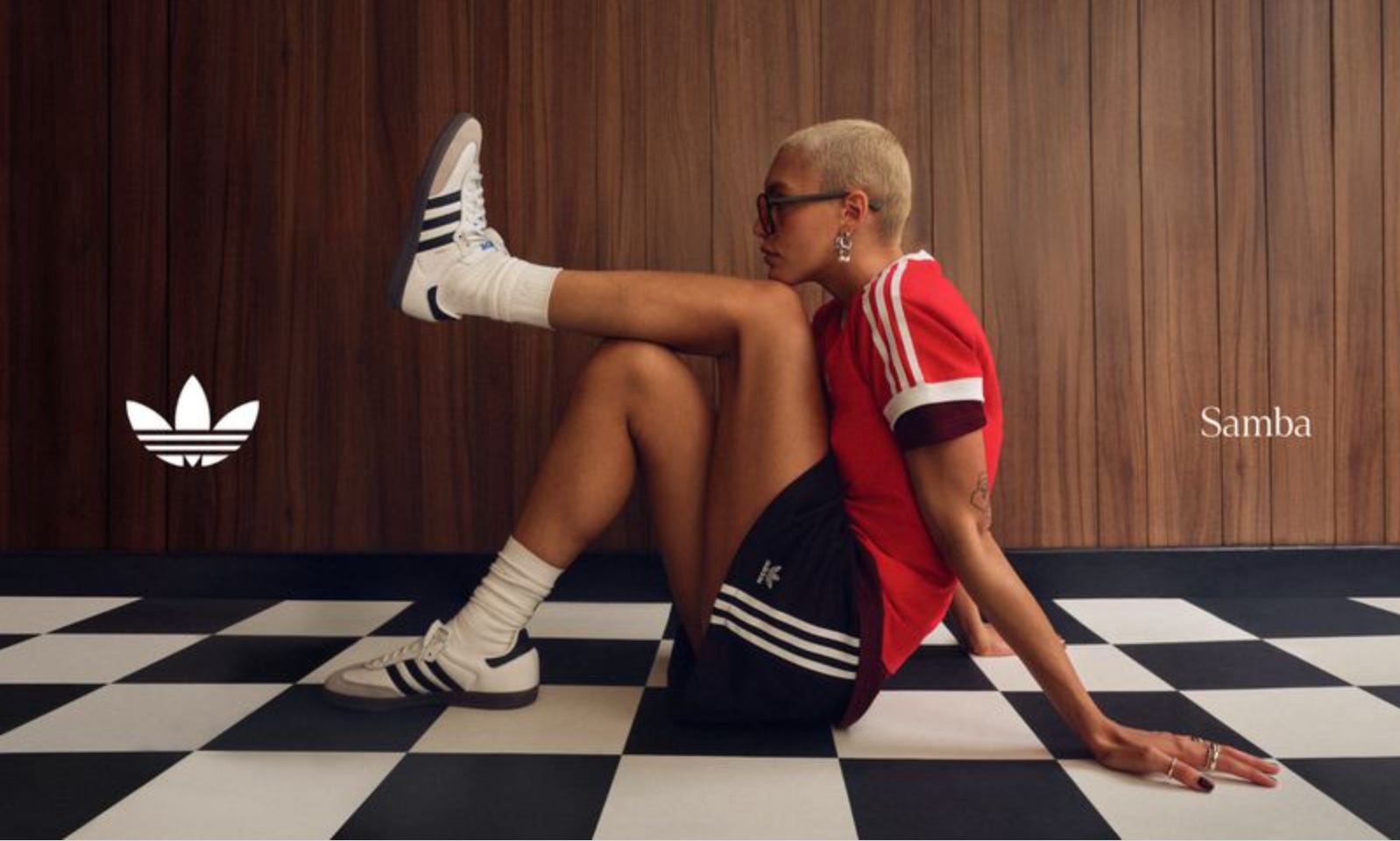
Just as Nike made a basketball shoe a source of objectified cultural capital for what it means to be cool, international brands have done the same with soccer. Take Adidas' Sambas or Stone Island’s crew necks—products that started off for playing or worshipping soccer have become symbolic of what it means to be an insider in popular culture. Brands today have the opportunity to flex the same muscle that made basketball shoes into lifestyle shoes, but this time for America’s new favorite sport.
For soccer to succeed in America into and beyond the hype of the 2026 World Cup, it will need to find its footing in culture. Cultural capital isn’t something brands can manufacture on their own. Luckily, they don’t have to. America is abundant with fans eager to participate and feel relevant in the global soccer landscape. Now, brands need to collaborate to create something that gives soccer meaning to and for America.

Worthy recommendations from Loane Bouguennec
Each issue, we share a series of recommendations from our team – both cultural artifacts (podcasts, books, essays, movies, playlists) and more philosophical pursuits (questions, processes, advice).
Podcast? “Allure of the Mean Friend” from This American Life
You’ve either been the mean friend, had one, or feared one. They make you feel bad about yourself but you can’t say they don’t have their personal brand to a tee. This American Life is no underground recommendation, but if you missed this episode, give it a listen for an hour of laughter.
Music? Make a shared playlist with your friends!
Since playlists are the new album, embrace your agency. You can curate down to transitions between songs and even design the playlist graphic. Consider adding Cafè by Dd Sound if you need an energy boost.
Advice? Act like an ethnographer
The most satisfying part about ethnographic research is that it forces you to be curious and think about your subject before yourself. You end up talking to people and noticing things you might not otherwise. It keeps things interesting.
Next time you’re going to an event (especially if you’re dreading it), make up a fake research question and navigate the event through that lens. You’re nervous about going to a party where you don’t know anyone? Too bad, it’s part of your research process. You feel like you don’t fit in? That’s normal, you’re a researcher! You don’t like the music? That’s fine, it’s about the observations. Maybe you’ll find the fun in putting curiosity first.

Links shared this month in Slack / over text / in decks
“The Championship Window” (This American Life): “[The championship window is] a period of time when all the conditions for your team to win are just right. And as this game was about to begin, (...) It felt like all of us gathered there, had this front-row seat to something historic, something we would definitely tell our kids about one day.”
Most Clubs Still Don’t Understand Brand. That’s Why Fans Feel Nothing (Gameplayer): “Too many clubs treat culture like a checklist. Book a studio shoot. Sprinkle in a trending song. Throw in an AI gimmick. Something random, like a lasagne. You know who you are. But there’s no feeling in it. No idea holding it together. Just content for content’s sake.”
$4,785. That’s How Much It Costs to Be a Sports Fan Now (New York Times): “The leagues and their investors count on fan loyalty. That your devotion runs too deep to quit. Fandom isn’t being nurtured anymore. It’s being mined.”
The Joy of Swimming with Strangers (New York Times): “This intimacy can be humbling or frustrating. I feel hints of these social joys and awkwardnesses in everything I do in the city and everywhere I go. It’s what makes the urban social experience what it is — this begrudging companionship, this fleeting generosity, this competitive jostling, this fidgety, uncomfortable closeness with strangers.”
You Sound Like ChatGPT (The Verge): “The loss of agency starting in our speech and moving into our thinking, in particular, is what he is worried about. “Instead of articulating our own thoughts, we articulate whatever AI helps us to articulate…we become more persuaded.””
About TRIPTK & Codex
TRIPTK is a brand & innovation consultancy. We partner with leaders to decode and recode critical cultural shifts, creating brand value for today and tomorrow.
Codex is a monthly newsletter sharing the TRIPTK perspective. It’s for readers who want to give more to culture: to contribute vs. appropriate, embed vs. watch from afar, lead vs. follow.
Any outsized opinions expressed here are solely the authors and do not represent the opinion of the company. If you like this newsletter, consider subscribing – or sharing with others who might enjoy it. Feel free to comment, email, say hey, and/or send us things to read.

A lot of things are coming together in this moment. For example, I was the first ball kid (or a 'mascot' in football terms) for the first ever Dallas Burn match (now FC Dallas) when MLS launched back in April 1996. It was so new (and family focused) they let me do the warmups on the pitch with Mark Dodd, the Dallas goalkeeper. Dodd was part of the recent adidas/MLS Legacy Kit campaign. When I went to White Hart Lane for a Spurs match back in 2009 I sat next to a father and his kid and the father talked about being at the Lane decades earlier as a kid. This is starting to happen in the US and will be a huge boost to cementing those cultural ties in an authentic way.