

Decoding the Power of Hybrids: How Sport Meets Style in the Ultimate Power Play
How sport x fashion moved from crossover to cultural default.

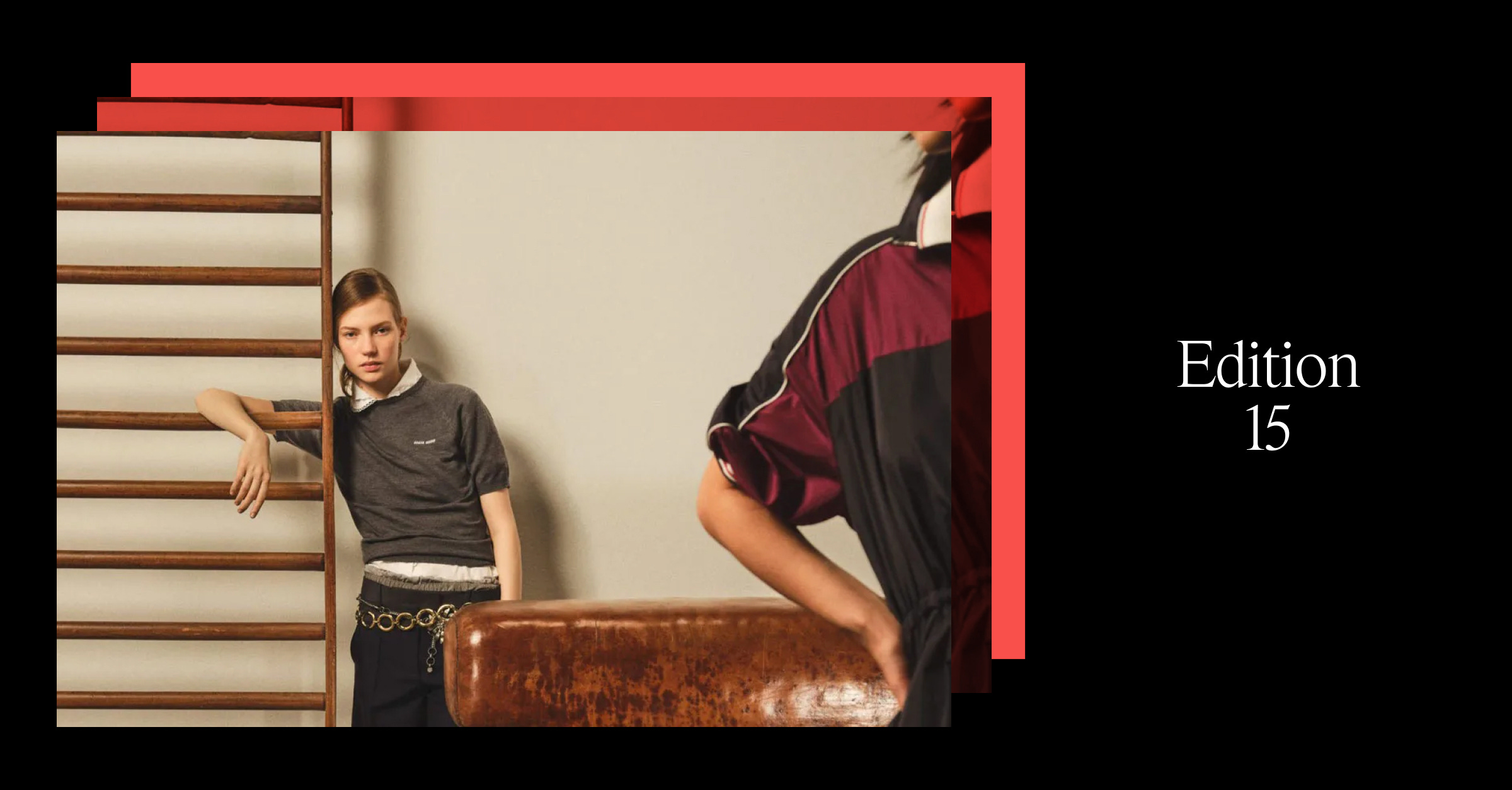
Each issue of Codex, written by a different member of the TRIPTK team, digs into the ephemera, artifacts, case studies, and conversations most interesting to them at the moment.
It’s for readers who want to give more to culture: to contribute vs. appropriate, embed vs. watch from afar, lead vs. follow. Join us for the ride.


Today, hybridisation (e.g. the combination of aesthetic, idea, or thesis) has become the dominant cultural operating system. What once felt disruptive has now become a baseline expectation — “hybrids” are no longer exceptions, but just the norm for how relevance is created today.
The once‑rigid boundaries between sport and luxury, street and runway, performance and play have dissolved into a fluid ecosystem of creative collisions. And nowhere is that more visible (or more culturally naturalised) than in the mash‑ups between sports and fashion.
Decoding the Role of Collision in Culture
Hybridisation has made contradiction feel natural, not risky, and it’s reshaping who gets to create meaning in culture.
To understand where the power is now, you have to look at it through three lenses: what it lets brands do, how athletes are using it, and how consumers are making it their own.
For brand, power lies in the paradox
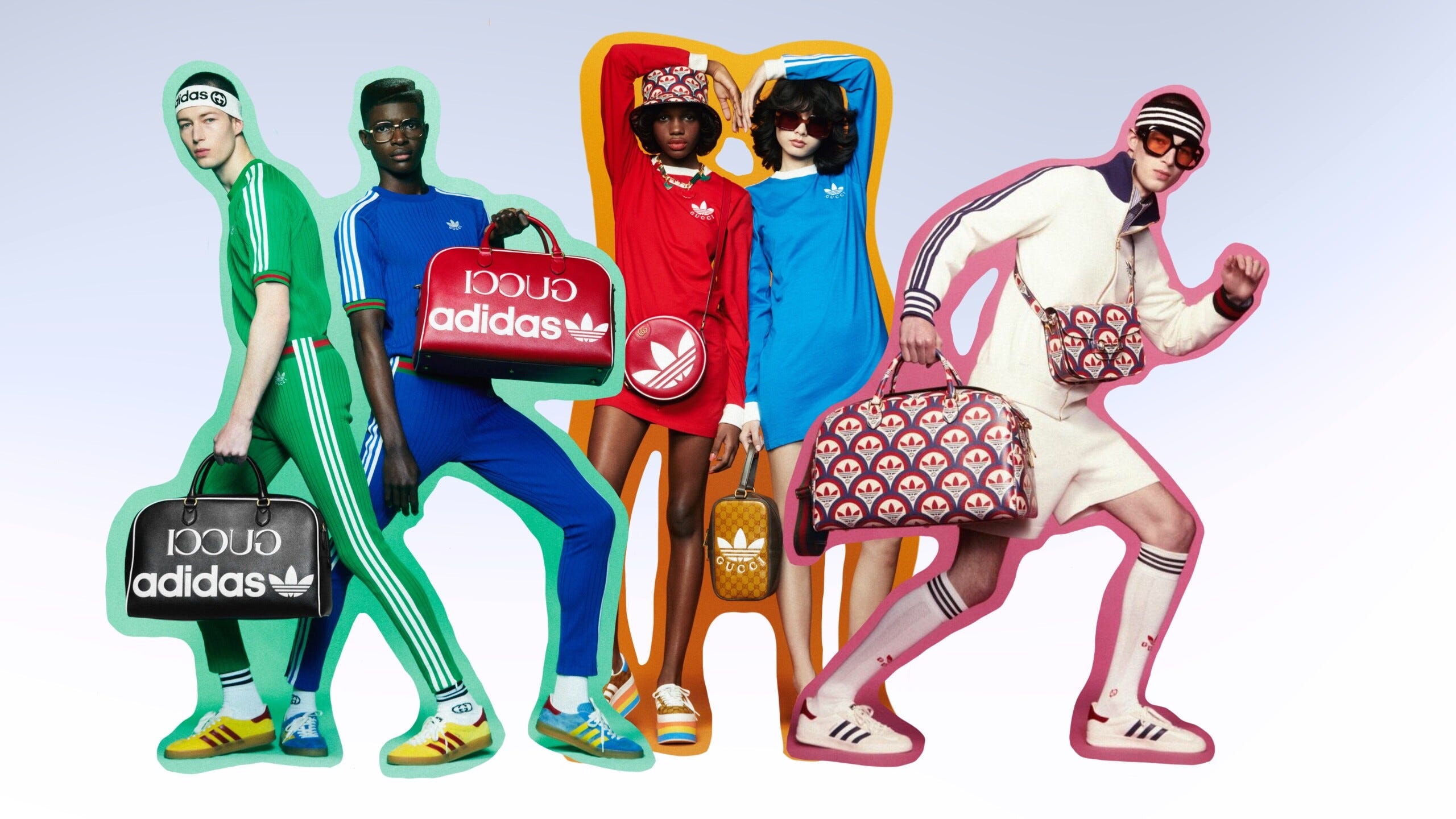
Contradiction creates (not opposes) credibility. When seemingly opposites collide, they expand the meaning of their brand and reach new audiences. Adidas x Gucci wasn’t just a sneaker drop, but created a new code of culture: luxury meeting street, heritage meeting hype.
Jordan x Dior fused basketball grit with couture precision, repositioning Jordan from a sports label into a luxury-adjacent cultural brand, while giving Dior fresh street cred and access to new male luxury buyers. Only 8,500 pairs of Air Dior sneakers were made, retailing at around $2,200 and reselling for up to $15,000+ a pair – less a product, more a cultural artefact.
Nike x Jacquemus collapsed minimal French chic into technical utility, while Salomon x Maison Margiela showed how even the most technical brands can play in the avant-garde space, using semiotic swaps to speak directly to an audience fluent in both worlds.
Each collaboration is a negotiation between identities: sport borrowing the semiotics of style, fashion borrowing the credibility of real-world performance. The tension is what gives them power, creating new coherence through contradiction.
These collisions between unexpected worlds have become shortcuts to relevance, letting brands trade craft, audiences, and meanings in real time.
For athletes, power lies in their personal philosophy
In this age of hybridisation, athletes don’t just represent performance — they’re cultural designers. The role has evolved from Endorser, to Collaborator, to Cultural Designer, where influence is no longer driven by borrowed visibility but by authorship over aesthetics, ownership over narratives, and continuity beyond a single campaign.
Their personal identities now function as design systems that shape taste over time and invite people in to critique or participate.
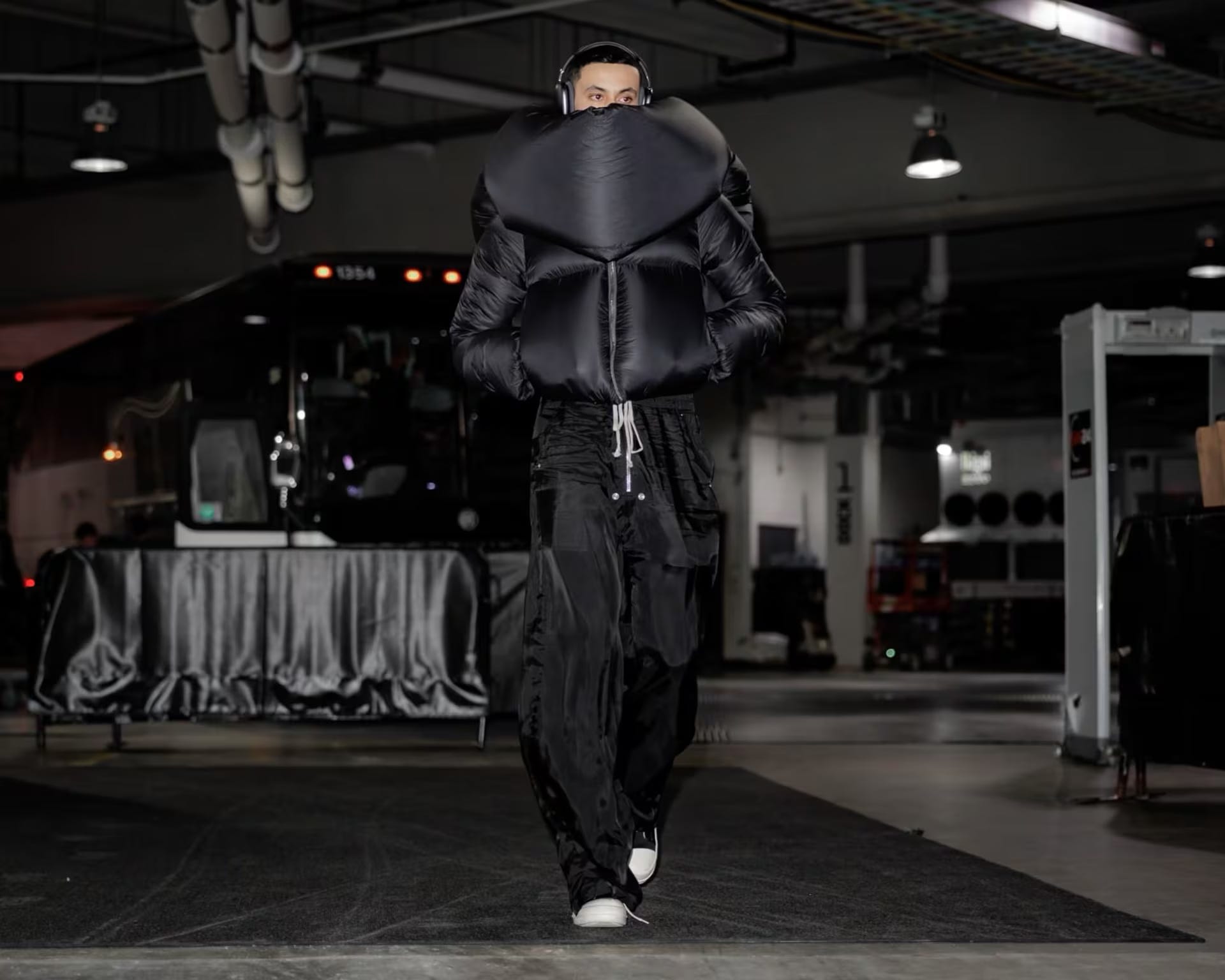
The rise of the “Tunnel to Runway” moment captures this shift perfectly. What was once a functional walk to the locker room has become a global stage for fashion storytelling — one that athletes increasingly control. NBA players are turning pre-game tunnels into catwalks, from Kyle Kuzma in Rick Owens to PJ Tucker in Off-White, acting less as passive billboards and more as curators of a consistent personal aesthetic – blurring the line between endorsement and editorial.
This dynamic stretches beyond basketball. F1 drivers have become unexpected fashion muses (e.g. Lewis Hamilton in Valentino or Lando Norris with Tumi) using style to express personal identity and values that transcend sport.
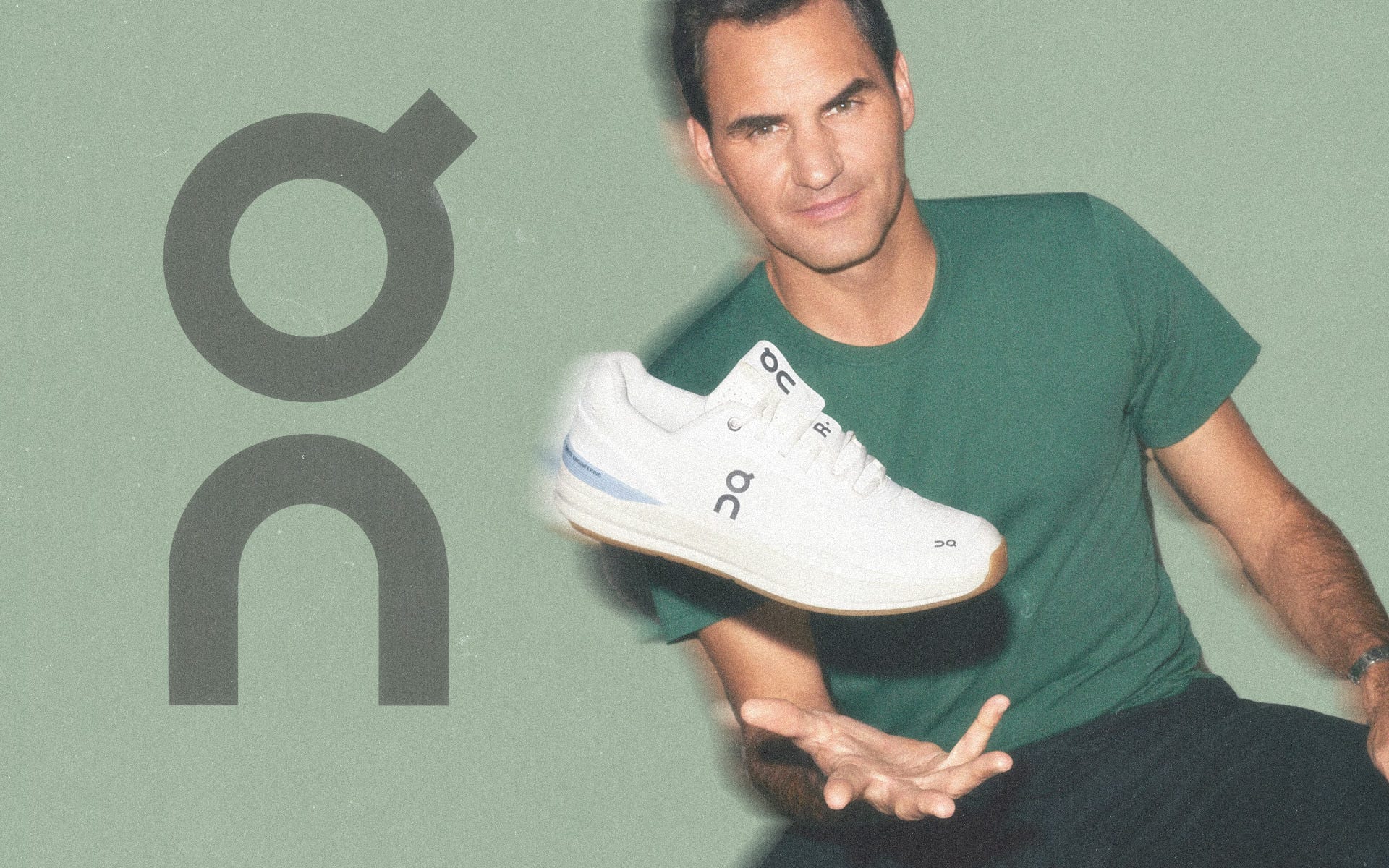
Crucially, the athlete-brand relationship is shifting from visibility to co-creation and ownership, as seen in Roger Federer’s co-ownership and collaboration with On, and Russell Westbrook’s independent label, Honor the Gift.
Athletes are now brands in themselves — not because of fame, but because of philosophy. Their individual narratives aren’t campaign inputs; they are the design brief. The opportunity for brands isn’t to tap into an athlete’s reach, but to build with their POV — translating personal belief systems into lasting cultural influence.
For consumers, power lies in self-expression
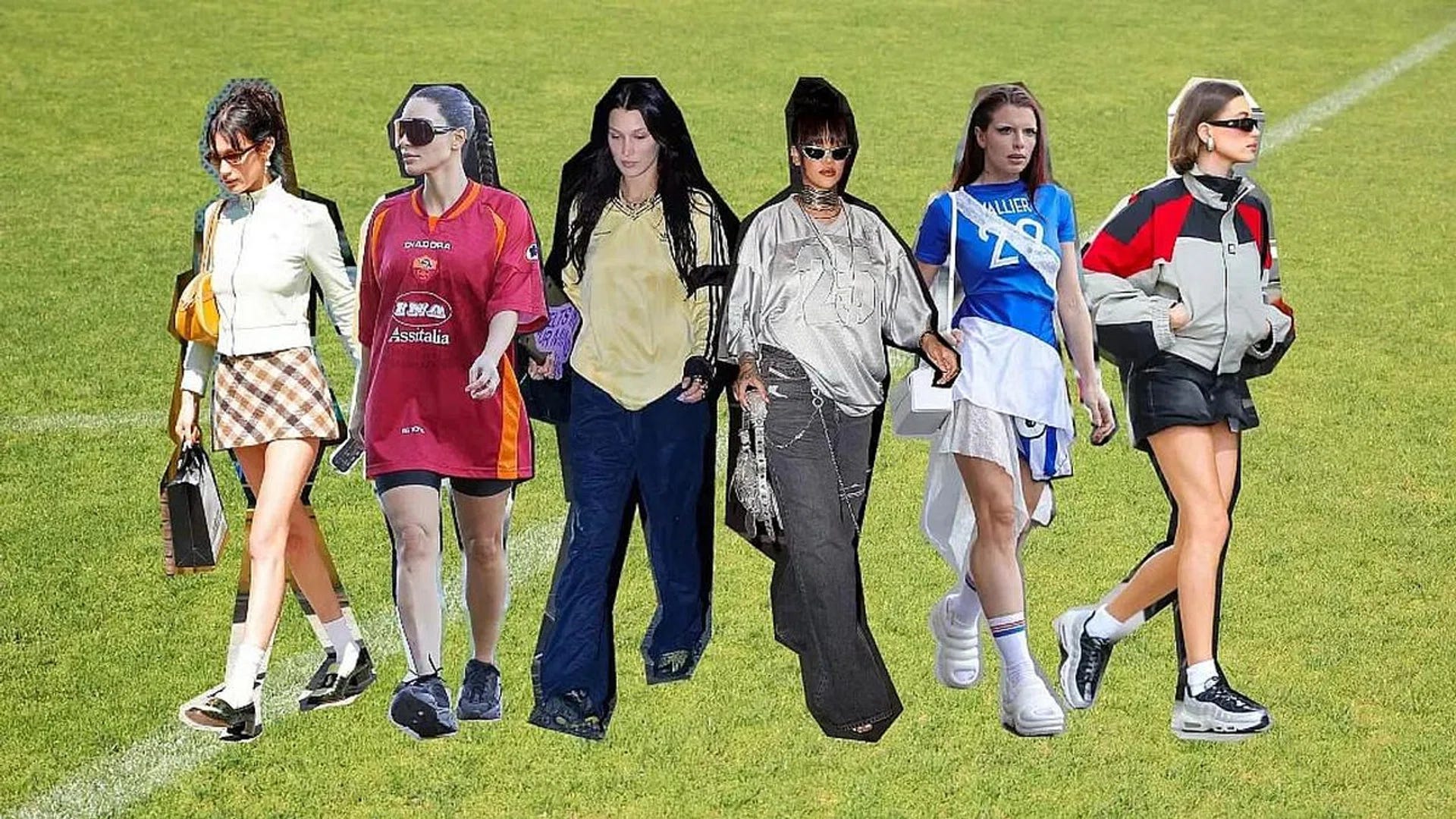
Today’s consumers are cultural DJs. They don’t just buy from brands and follow their rules, they mix them. They pair vintage football jerseys with tailored trousers, get on board with TikTok trends like “blokecore”, and layer perfumes from different brands to create their own signature scent. The mashup mindset that once defined collaborations is now a personal creative practice.
Consumers are borrowing from everything and everyone to write new cultural scripts of their own. Hybridisation is a reflection of their fluid, multidimensional identities that define modern culture and consumerism.
Recoding the Rules of Cultural Relevance
Hybridisation is the heart of the cultural playbook. Brands must explore new intersections to turn this movement into a commercial advantage — the sports sponsorship market alone is set to surpass $160 billion by 2023 (PwC).
Younger audiences no longer seek purity or perfection, they crave possibility. They reward brands who experiment boldly and evolve openly — brands that make space for tension. To unlock this shift in cultural relevance, brands can focus on three strategic principles that reshape how they create, connect, and innovate.
Principle 01: Build for Collision, Not Consistency
Consistency doesn’t spark new energy — collision does. Brands should design for productive friction by intentionally pairing opposites and engineering unexpected encounters: between aesthetics, audiences, and even industries.
Name the tension: Be explicit about the opposites (e.g., precision × play, craft × speed, heritage × hype).
Lock the center before stretching the edges: Write the non‑negotiable brand truth that matters before digging into opportunity.
Let friction show: Avoid over-optimizing the result. That visible tension is what signals authenticity and creates cultural energy
Design the value exchange: Make clear what each side gains without losing the core of the idea and brand.
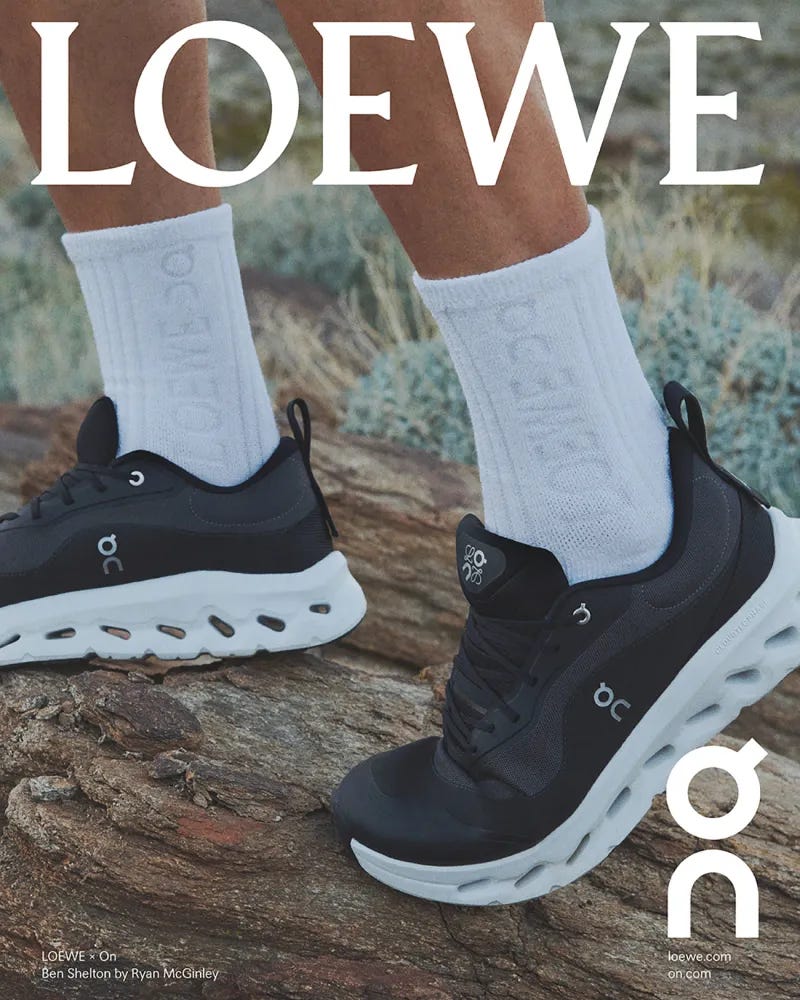
The recent Loewe x On collaboration is a masterclass of tension. On’s Swiss-engineered performance meets Loewe’s artful craftsmanship — minimal silhouettes fused with functional tech. It shouldn’t work, but that’s why it does.
Principle 02: Create Cultural Systems, Not Just Product
Momentum doesn’t come from isolated partnerships. It comes from systems — the built-in frameworks for collaboration. Structured platforms where creators and communities can continuously reinterpret the brand.
Define the core kit: Set two brand codes that never change and one that collaborators can play with.
Set a steady rhythm: Replace one‑off drops with a repeatable release cycle or chaptered format.
Build repeatable stages: Create formats collaborators can plug into again and again — not single‑use activations.
Show the loop: Highlight community reinterpretations so fans see the system growing.
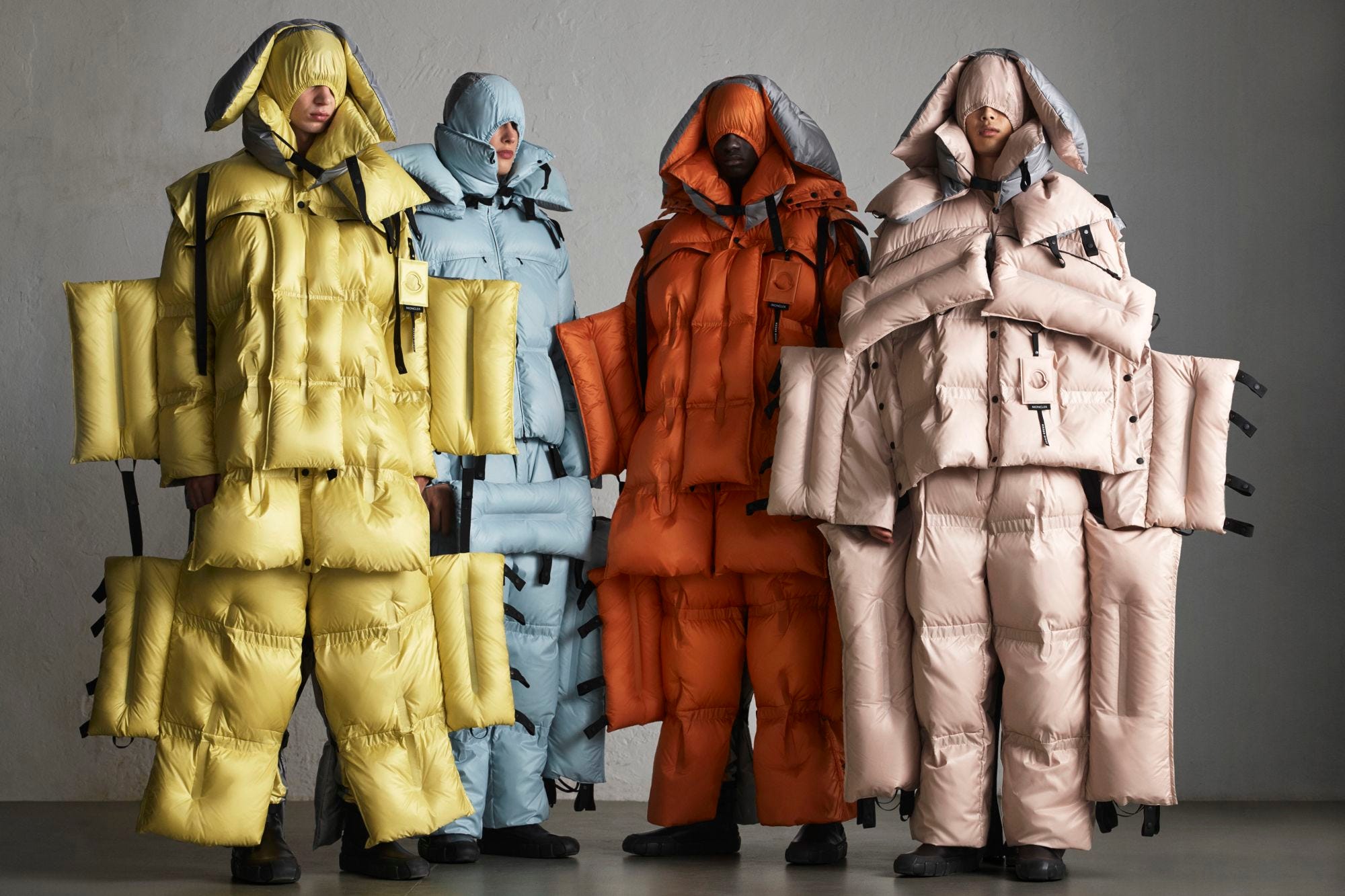
Moncler Genius is a prime example: multiple creative directors reinterpret the brand season after season, shifting from seasonal drops to a continuous cadence. This approach sparks regular dialogue with customers, generates new ideas and energy, and transforms collaboration into a flywheel that builds lasting cultural momentum.
Principle 03: Design for Remixability
Remixability is about creating the conditions for culture to reshape an idea. It’s less about polished assets and more about building an infrastructure for participation — the brand provides the starter kit, and culture multiplies the meaning.
Make the first move clear: Spell out the starter action (e.g., restyle, reskin, re‑pose, re‑stitch).
Make it easy to play: Offer templates, filters, sticker sheets, or simple styling formulas.
Give permission: Explicitly invite reinterpretation and show that it’s encouraged.
Create shareable outputs: Design results that look great in a screenshot, mirror selfie, or video — things people want to save and circulate.
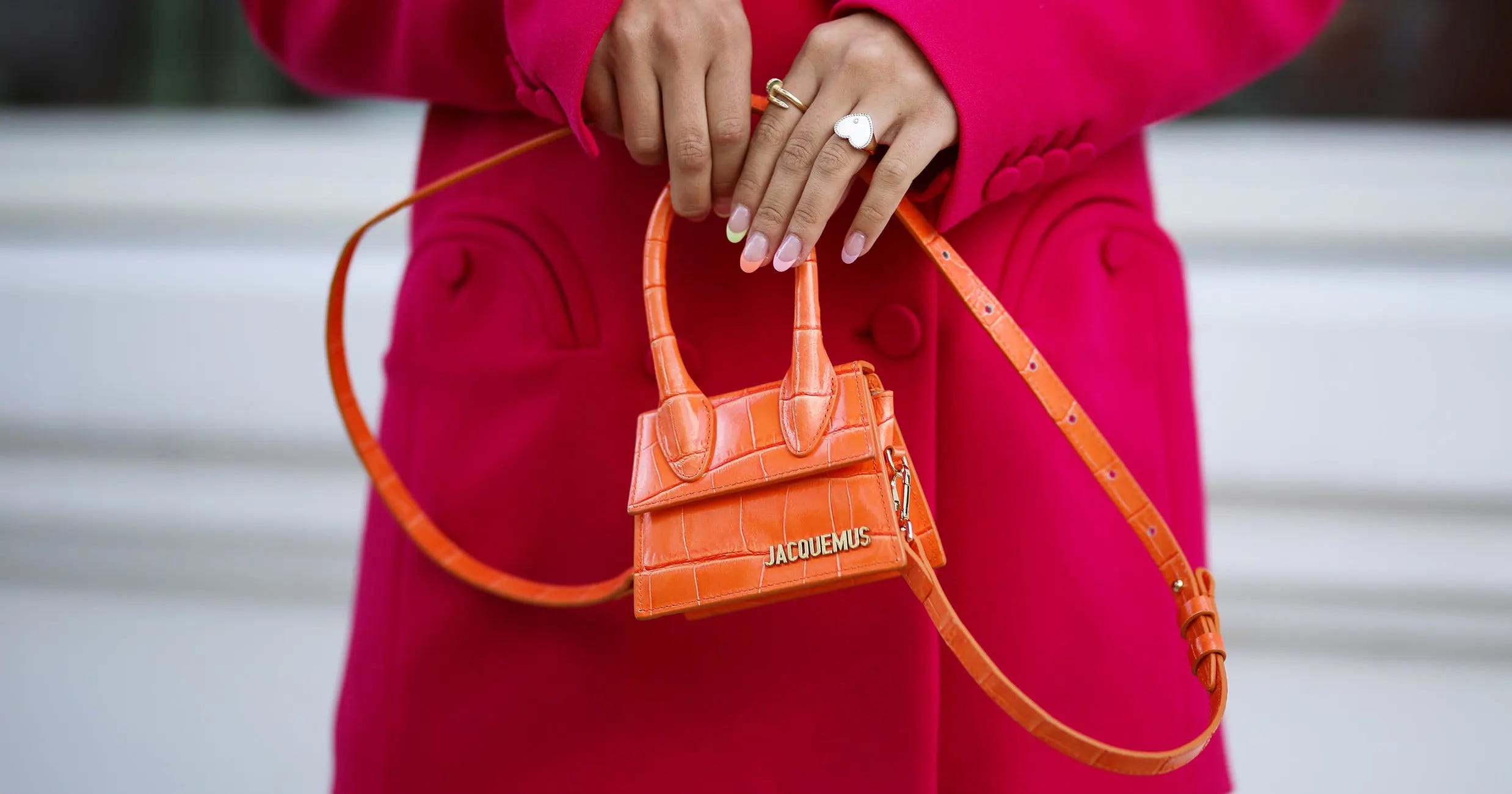
The moments that spread fastest come from systems people can easily pick up and rework: NBA tunnel fits turned into fan‑made recreations, the Miu Miu ballet‑flat wave restyled across streetwear, and Jacquemus micro‑bags endlessly spoofed and DIY’d. Even vintage football jerseys reimagined into modern fits show how simple mechanics invite people to remix brand codes in ways no campaign could script.
The next era of brand building isn’t about owning meaning — it’s about engineering the conditions where new meanings can emerge. Partnerships like F1 x Airwallex show how brands can stretch their associations by aligning with worlds that share their core values: speed, precision, innovation.
Similarly, sports–gaming crossovers (like Adidas or Nike skins in Fortnite) demonstrate how athletic identity now moves fluidly across physical and digital spaces. Even categories once considered peripheral or irrelevant are becoming potential sites of cultural expression.
Adidas Original Pet Collection resonated not because it was quirky, but because it tapped into a deeper truth: people increasingly see their pets as extensions of their own identity. By entering this space, the brand expanded the canvas for self-expression in a way that felt culturally intuitive.
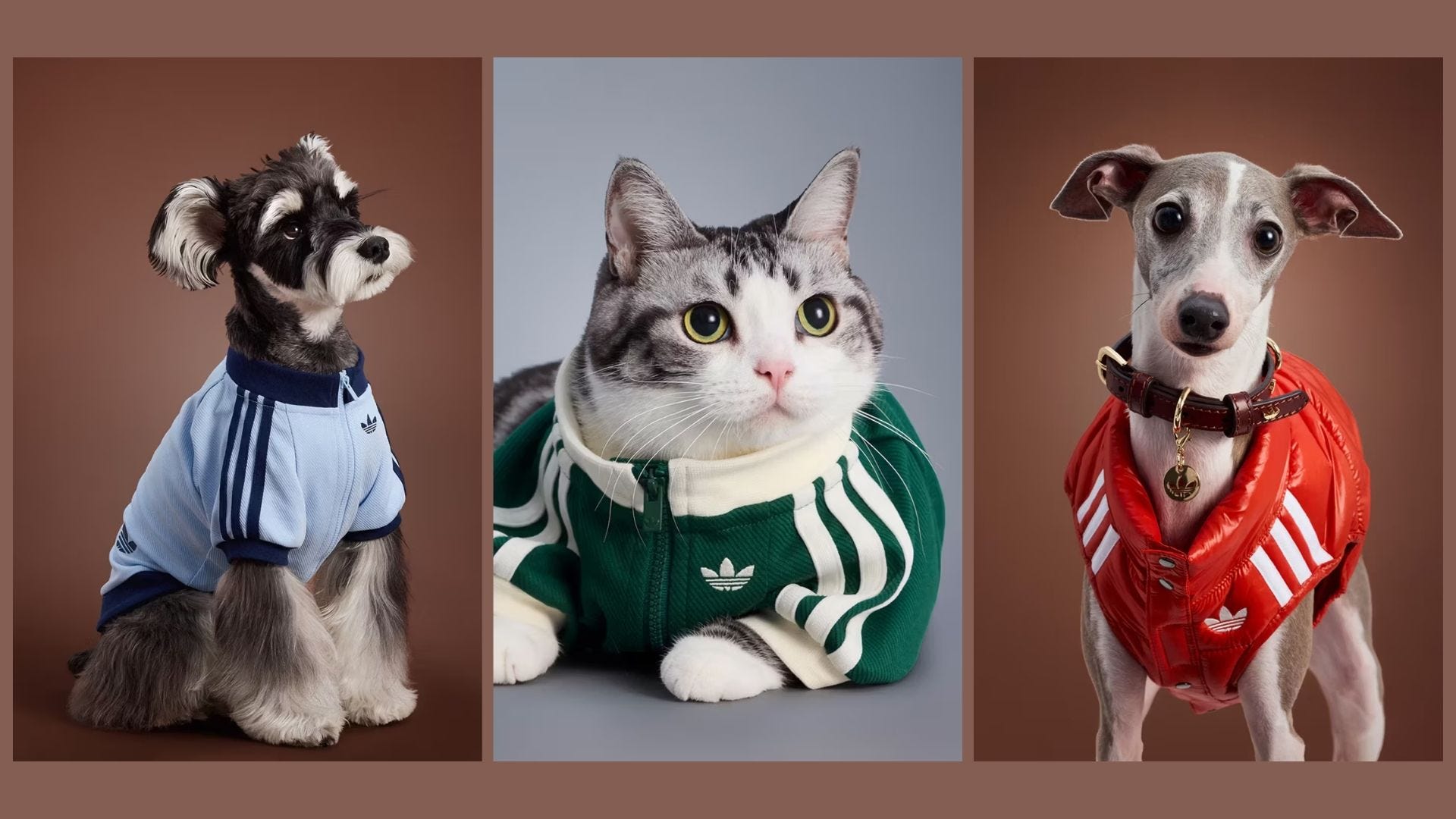
Control is comfortable. Participation is powerful. The brands that win next will let culture finish their sentences. This is the new power play: shifting from controlling narratives to curating the spaces where they unfold — a hybrid mindset that’s redefining how every brand and category connects, creates, and evolves.

Worthy recommendations from Katrin Krieger
Each issue, we share a series of recommendations from our team — both cultural artifacts (podcasts, books, essays, movies, playlists) and more philosophical pursuits (questions, processes, advice).
Playlist? Disney Lo‑Fi
My recently discovered perfect work companion: Disney lo-fi beats — soft beats, nostalgic melodies, and zero distraction. Ideal for big Disney fans (like me) or those needing a tiny hit of magic in the middle of your workday.
Advice? In the spirit of Lunar New Year — have a Dumpling Night
Dumplings are a Lunar New Year staple because they resemble ancient gold ingots —meaning eating them is believed to bring prosperity and good fortune. Check out this simple (tried and tested!) recipe:
Mix finely chopped cabbage, spring onions, soy sauce, sesame oil, and minced protein (pork, chicken, or mushrooms).
Spoon filling into wrappers, press edges, pan‑fry until golden, then steam for 3 minutes.
Serve with black vinegar + chili crisp.

Links shared this month in Slack / over text / in decks
Will Gap’s new loyalty program meet the moment? (MarketingDive): From our own Frankie Margotta, ASD at TRIPTK — “In an age when you can create anything through AI, tools have been democratized, things live forever on the internet, we have a lot of ‘rinse and repeat.’ How do you commemorate someone’s time and energy in a moment?”
Preparing Your Brand for Agentic AI (HBR): “Companies will soon be managing their brands in an era when agentic AI, built on top of LLMs, works on behalf of customers, completing transactions without human assistance.”
What the Rise of Prediction Markets Says About Us (Newsweek): TRIPTK Strategy Director Nick Hartland joined The 1600 podcast to break down this latest bid for your attention (and your money).
Olympic 2026 Uniforms to Look For at the Winter Games (Vogue): “Like in recent Games past, this year’s team kits feel less like standard-issue sportswear and more like chic cultural statements.”
Meta patents AI that lets dead people post from the great beyond (FastCo): “The patent covers a bot that could simulate your activity across Meta’s products, including Facebook, Instagram, and Threads—making posts, leaving comments, and interacting with other users.”
The Longevity Scam (The Atlantic): “Today’s longevity-medicine movement is driven by the same aggressive desire for eternal youth as the mythic stories of old. By 2030, $8 trillion might be spent annually on longevity-related products.”
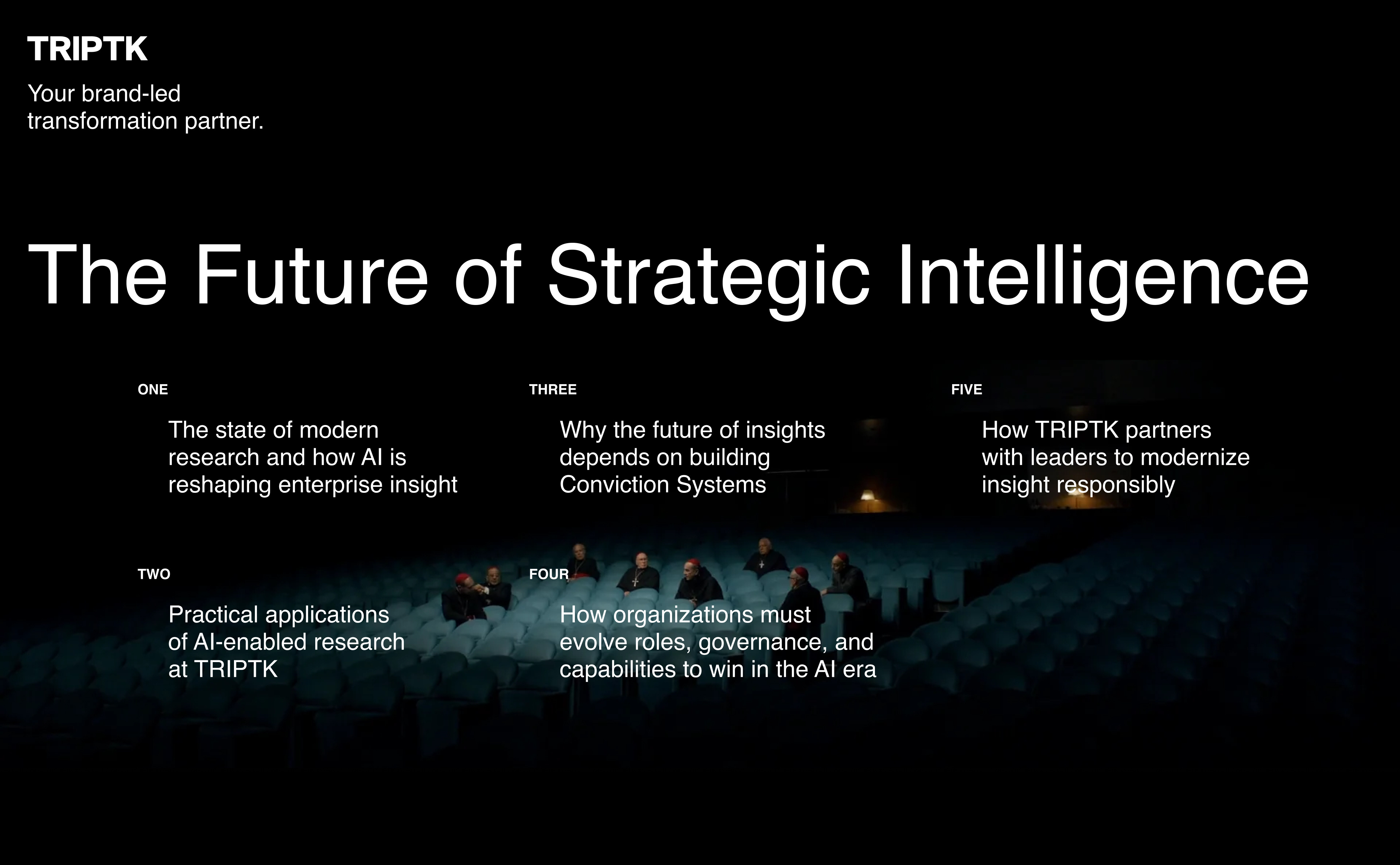
If you’re an insights or brand leader, you’re probably thinking about AI. The role of enterprise research is being redefined in real time. It’s a bit existential. New tools, capabilities, and ways of working require choices about team structure, tool stack, operating models, and much more.
Then there are the bigger questions. An LLM can surface patterns or speed up synthesis (Copilot) — but it can’t align a company around a decision. We can leverage synthetic populations (Simile) or develop digital twins (Vurvey Labs) — but perhaps it can’t fully grasp meaning, nuance, or taste.
How should our humanity lead the way? How should these tools play a role? We’ve been thinking about the Future of Strategic Intelligence at TRIPTK. If you’re navigating how insights, AI, and strategy come together inside your organization, this is for you. Respond to this email for the POV, or reach out to hello@triptk.com.
About TRIPTK & Codex
TRIPTK is a brand & innovation consultancy. We partner with leaders to decode and recode critical cultural shifts, creating brand value for today and tomorrow.
Codex is a monthly newsletter sharing the TRIPTK perspective. It’s for readers who want to give more to culture: to contribute vs. appropriate, embed vs. watch from afar, lead vs. follow.
Any outsized opinions expressed here are solely the authors and do not represent the opinion of the company. If you like this newsletter, consider subscribing – or sharing with others who might enjoy it. Feel free to comment, email, say hey, and/or send us things to read.
