

Decoding the Business Case for Play: How Joy Can Be Your Competitive Edge
Time to get serious about nonsense.

Each issue of Codex, written by a different member of the TRIPTK team, digs into the ephemera, artifacts, case studies, and conversations most interesting to them at the moment.
It’s for readers who want to give more to culture: to contribute vs. appropriate, embed vs. watch from afar, lead vs. follow. Join us for the ride.


Decoding Our Corporate Need for Nonsense
Today, uncertainty is forcing leaders to reconsider their existing methods and adapt quickly and efficiently. Evolution feels mandatory. And that means (for basic survival) change must be recognized as a constant.
Play may just be our most appropriate way to face change. While playing, we learn how to handle uncertain circumstances and are given the chance to learn from our missteps. Play invites innovation. It opens us up to new possibilities. It gives us chances to rehearse without consequence.
Also—it makes space for fun corporate activities, like shitposting, Method Week (which I love), karaoke, postponing Microsoft Teams updates, business gorpcore (also known as “sneaking some gorp”), or (my personal favorite) creating shareholder value.
But play (for some) feels like the antithesis of capitalism
The rise of industrialism, intent on efficiency, had no room for play. Henry Ford, whose views on many things (including his crass antisemitism) are best left in the past, wrote in his memoir about the danger of play while at work:
When we are at work we ought to be at work. When we are at play we ought to be at play. There is no use trying to mix the two. The sole object ought to be to get the work done and to get paid for it. When the work is done, then the play can come, but not before (Henry Ford, “My Life & Work”).
For the more rational or stolid thinkers among us, play is simply an appeal for frivolous action or free time. Oh, you’d like to play? Did you also want to go ahead and let your boss know that you don’t want to work any longer?
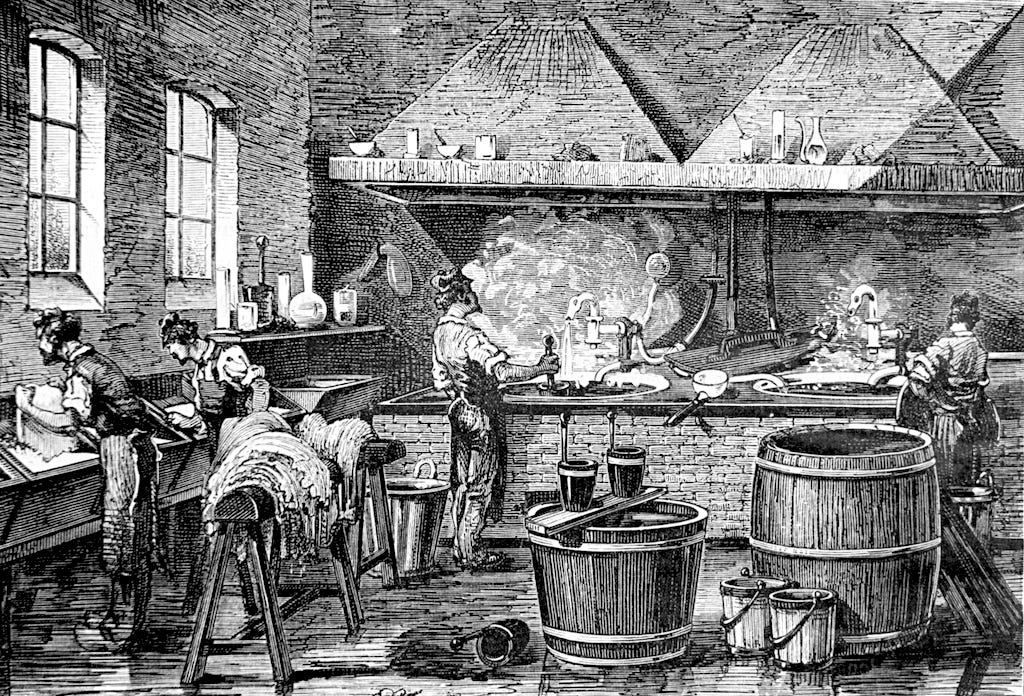
Capitalism, even today, is a staunchly Protestant endeavor—play is often considered the opposite of work and detrimental to business outcomes.
We have been brainwashed into believing there is a split between work and play. Work is productive and good; fun accomplishes nothing and is often evil. (Greer, “No Grown-ups In Heaven”).
Accompanied by the Andew-Huberman-optimization-model-of-operating, hustle culture’s ever-constant call, and the rituals of modern wellness, play seems far out of reach. Want to pick up a hobby? There is no time for hobbies, only additive to-do lists that somehow make you more productive, more profitable, and more attractive in this market of business. Play, unbound by KPIs, is annoyingly in-the-way and suspiciously unproductive for modern leaders keen on building modern businesses.
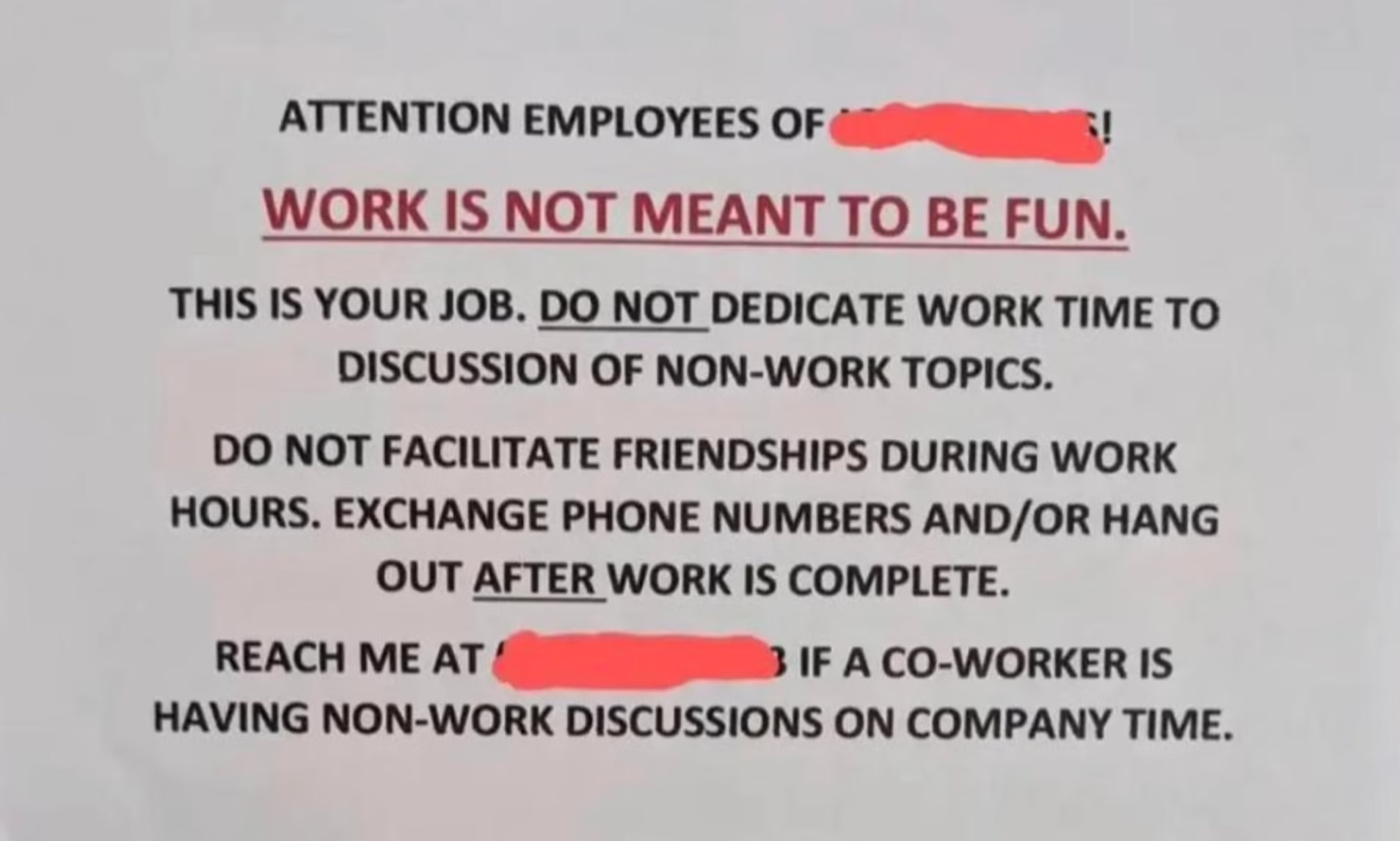
You can’t argue with its detractors—play doesn’t (typically) make you money or (directly) meet any of your KPIs or business objectives. Play has no aim other than to satisfy the main character. If play is useful to a business, then it can’t be classified as play. In other words, as soon as play becomes work, it’s no longer play.
“Play participation” at work can feel risky
It’s only once we start to age that play becomes problematic. It’s not in our best interest to play—want to be a responsible young adult? Only the no-nonsense and focused will make the team, get the grades, get into the right schools, and so on.
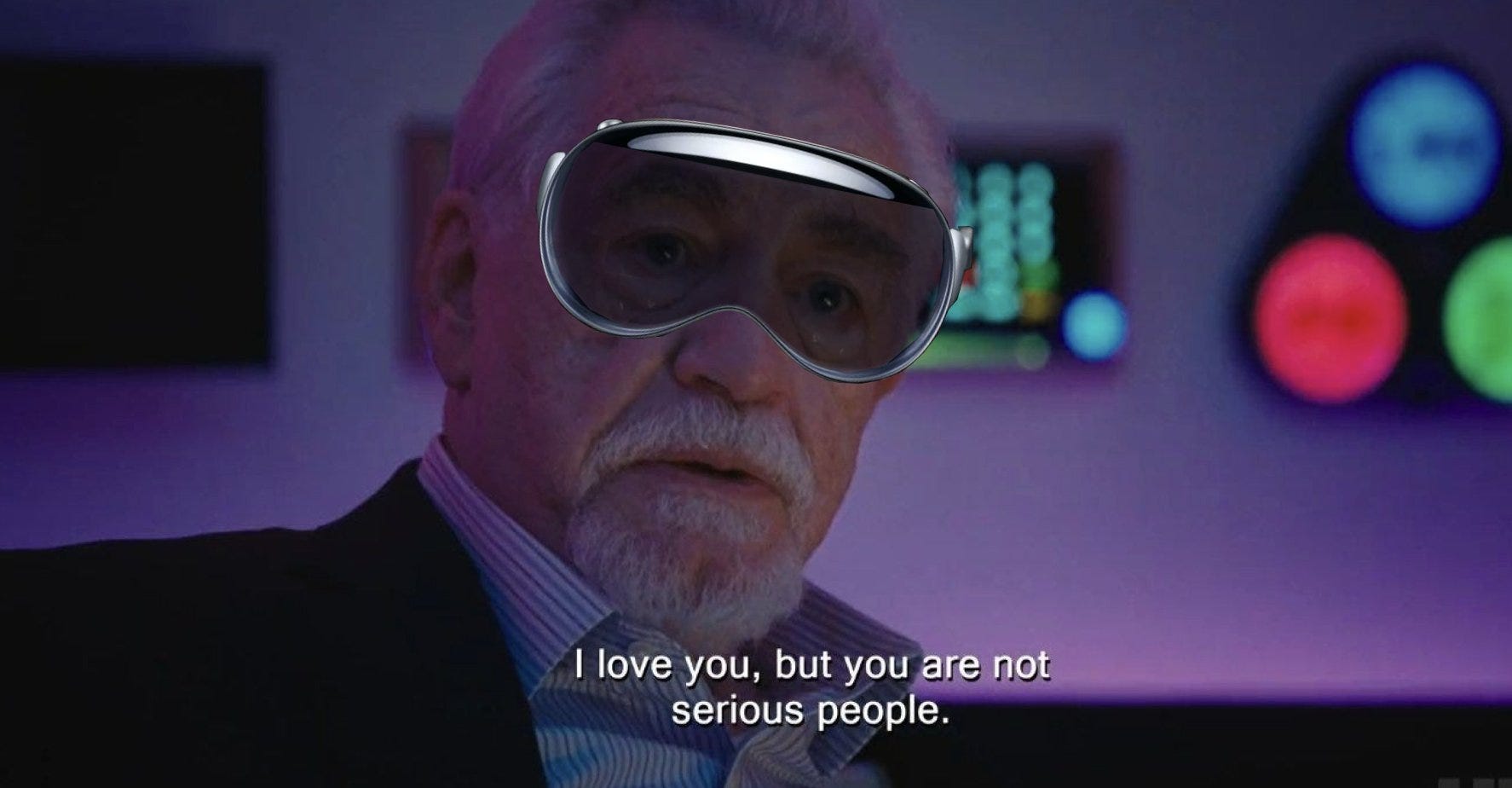
As you enter the workforce, it’s even worse. Play is equated to irresponsibility and unserious contributions—especially for Gen Z or younger—which is ironic considering most people’s relationships (personal or professional) would likely be stronger and richer if they had been imbued with playfulness from the start.
‘Did you smile or laugh a lot yesterday?’ At age 16, 18, or 20, people are largely saying yes. At age 23, the answer quickly becomes no—and we don’t start laughing again until we retire. We go to work and we stop laughing (Stanford faculty members Jennifer Aaker and Naomi Bagdonas on the “humor cliff” that kicks in around the time you start your first job).
But even if you’re intent on operating as a playful person, the workplace is a nuanced and complex place. “Play participation” is dependent on shared history, power dynamics, and appropriate relevance. Employees are aware of their role and place in the hierarchy. And without understanding the boundaries and sensitivities of play, leaders can easily impede their own progress towards organizational goals.
Combining work and play is a romantic notion, and potentially a very effective one, but it also may be more important for some individuals and teams than others. For example, entrepreneurs or company founders may find play more natural (since they are risk-takers inherently), while middle managers may find it harder to embrace (since there is safety and predictability in keeping to traditional methods).
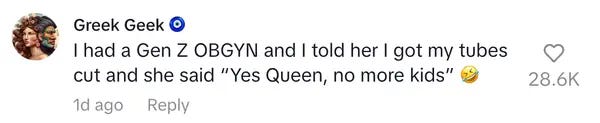
Gen Z and Gen Alpha, on the other hand, grew up / are growing up in meme culture—their natural state is play. Even still, it’s easy to stifle. This is why psychological safety is so key: a culture of play and playfulness must be encouraged and nurtured by senior leadership. Don’t forget: You need to demonstrate it without mandating it.
Recoding Play as a Practical Necessity
While play doesn’t immediately feel as if it offers ROI, there are three crucial ways it can transform an organization.
Play reframes ambiguous situations. Having a playful, whimsical, or silly nature allows you to frame (or reframe) uncertain or unfavorable circumstances to be more entertaining or low-pressure—rather than feeling overwhelmed or incompetent in the face of a stressful future.
Play is a dress rehearsal for the future. It’s a way to practice adapting to rapidly changing environments without the pressure of real life. As play isn’t bound by the typical rules of sport, business, or real life, it’s an opportunity to leverage our creative potential in ways that lack opposition.
Play promotes resourcefulness. In playful contexts, whether formal or informal, you learn to rely on each other for resources and support. It’s a survival mechanism—building a collective pursuit that’s easy to believe in and execute on.
To their credit, business leaders are convinced that employee dexterity and creativity is perhaps their best bet in fending off the AI-led automation of white-collar jobs, future-proofing their organizations, and giving them a competitive edge. But for all that ambition, play isn’t often a priority. So how can we ensure that play has staying power for any organization?


Avoid a clear definition of play
Play is hard to define, and can be considered by leaders in a million different ways. Many companies typically revert to traditional methods of improving a workplace’s “vibes” through Google-esque interior design, giving conference rooms whimsical nicknames, and launching once-a-quarter field days to play kickball together.
That’s a narrow and limiting perspective of play or playful activities. It’s important for play to become self-directed or initiated by teams themselves (vs. leadership imposing mandatory participation for something they love. Organizations are starting to tap into what their employees are into: esports & gaming leagues, on-campus pickup basketball, peer-led programming, corporate shitposting, a camp for industry professionals, and more. I’m particularly a fan of an $1000 LEGO subsidy.


At TRIPTK, weekly agency meetings start with irreverent presentations exploring topics like @mugshawtys, the racist origins of ice cream jingles, or the inherent beauty in our own NYC steam system.
Two weeks ago, we hosted “Sitcoms Scenarios,” a live-reading of favorite episodes from Parks & Rec or New Girl or Stranger Things. We recite the best manifesto ever written at company retreats, some of us (me) troll corporate leaders on LinkedIn, and our more talented colleagues host supper clubs for their coworkers, with unheard of hospitality. The point is, play can be what you make it.
Cultivate a culture of playfulness
Play often can feel stressful for organizational leaders, because it feels like it needs to be a thing. Something tangible that we can wrap our arms around, point at, and say “look, this is our version of play.” But it doesn’t need to be that formal or serious.
But instead of isolating play to specific time-boxed moments or activities, consider nurturing a playful spirit that helps any activity become more play-oriented. With a playful, silly, or light-hearted state-of-mind, any activity—emails, meetings, client presentations, onboarding, thought leadership, and proposals—can become playful.
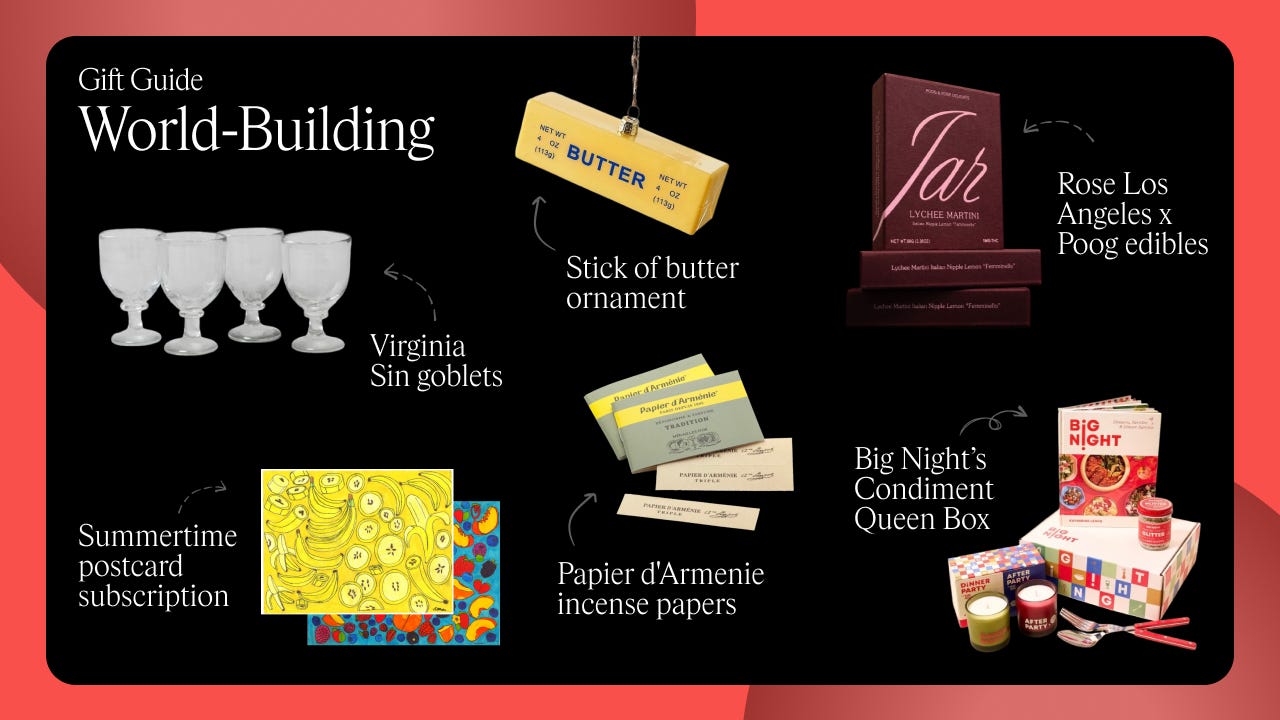
We can even become more playful by surrounding ourselves with playful people, which has implications for which criteria are most important for hiring, or even how to approach promotions across an organization.
Measure progress differently
A old business quote comes to mind here: what gets measured gets managed. In our quest to maximize shareholder value, leaders tend to focus on the perfect and rational thing to do. To do anything other than that would be foolish.
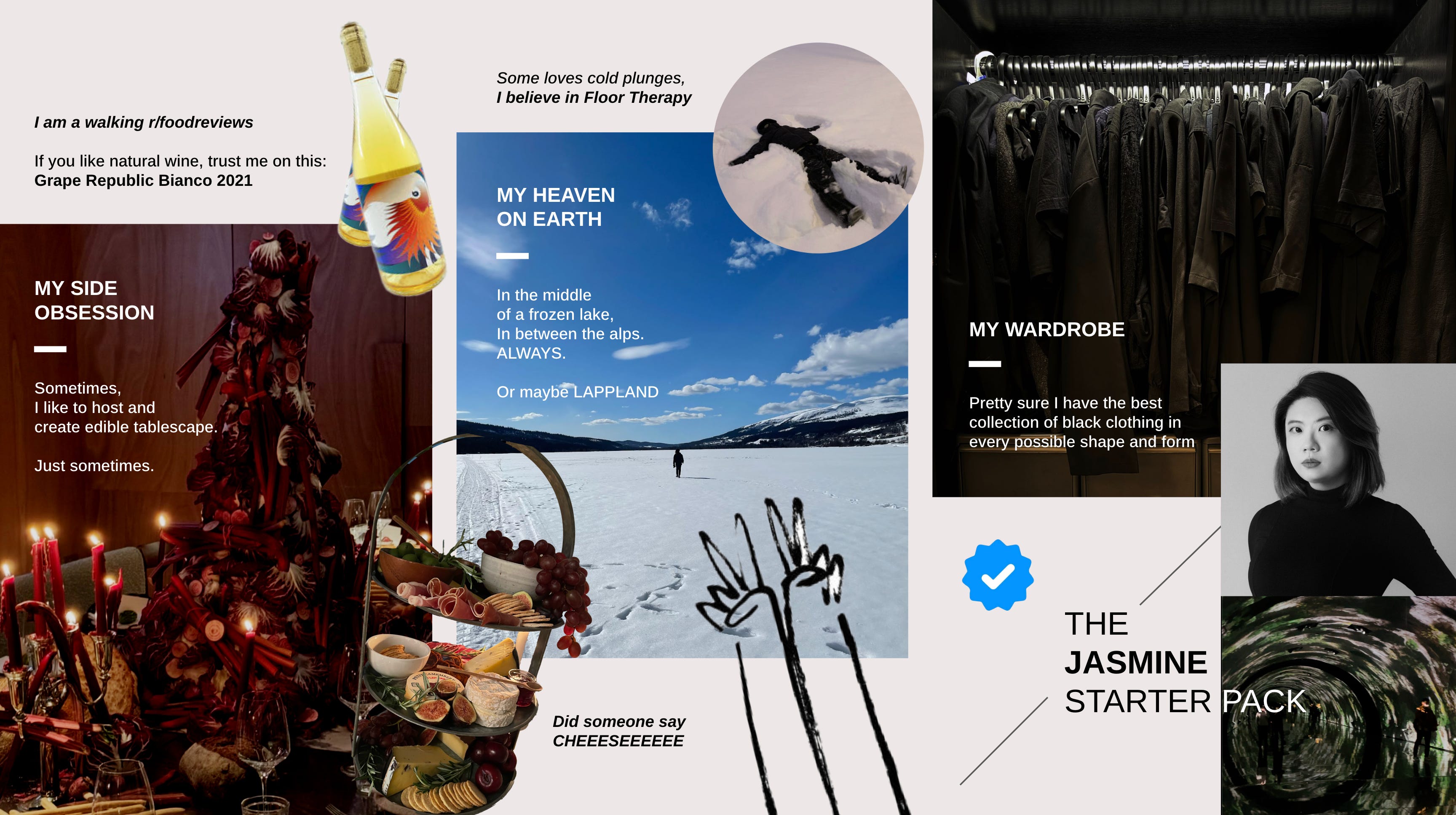
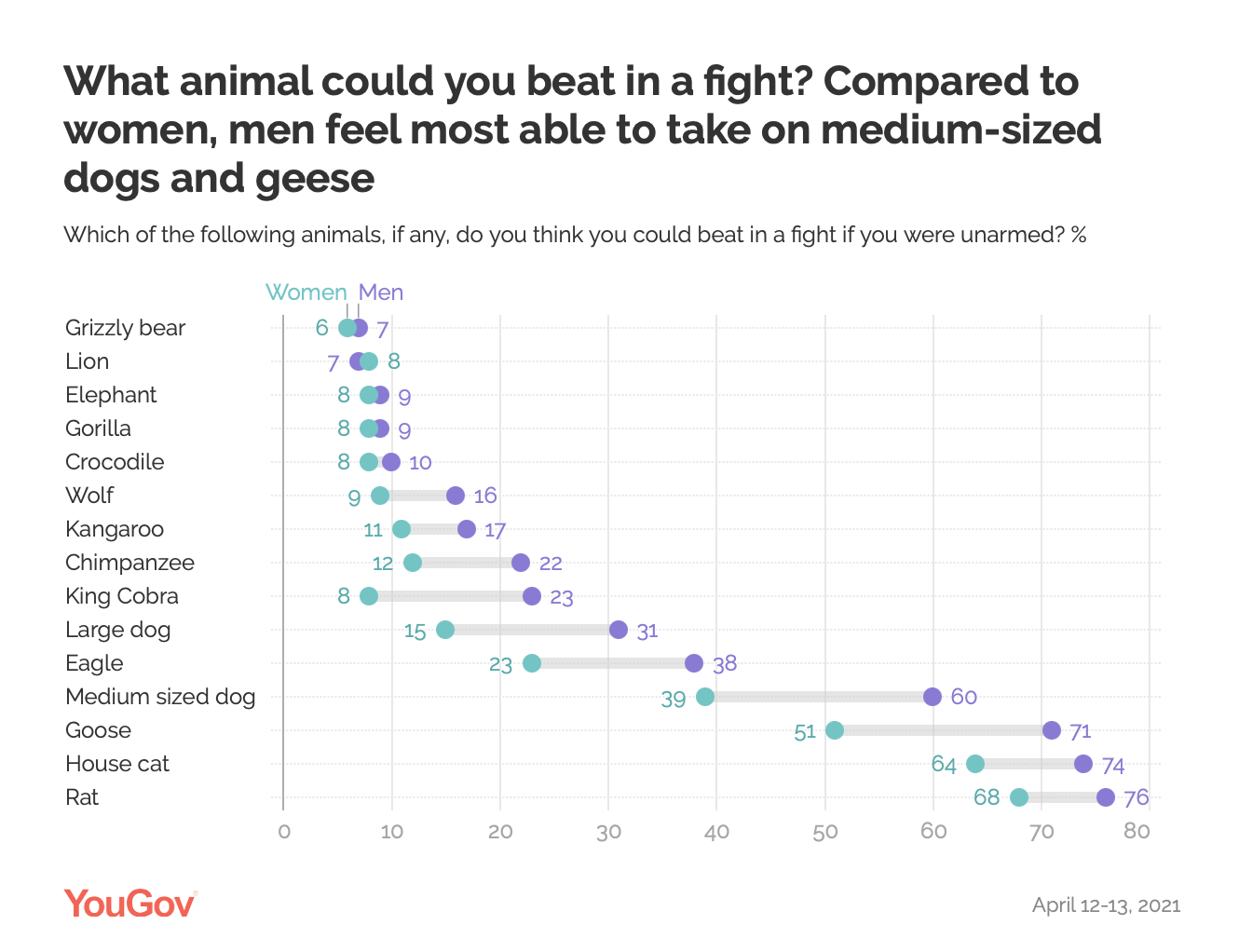
Goals must be defined and set and slowly worked toward. Deviance from a set path could be disastrous. But that’s so boring. Remember, you can count kickball days, but they are hardly a proxy for play at work.
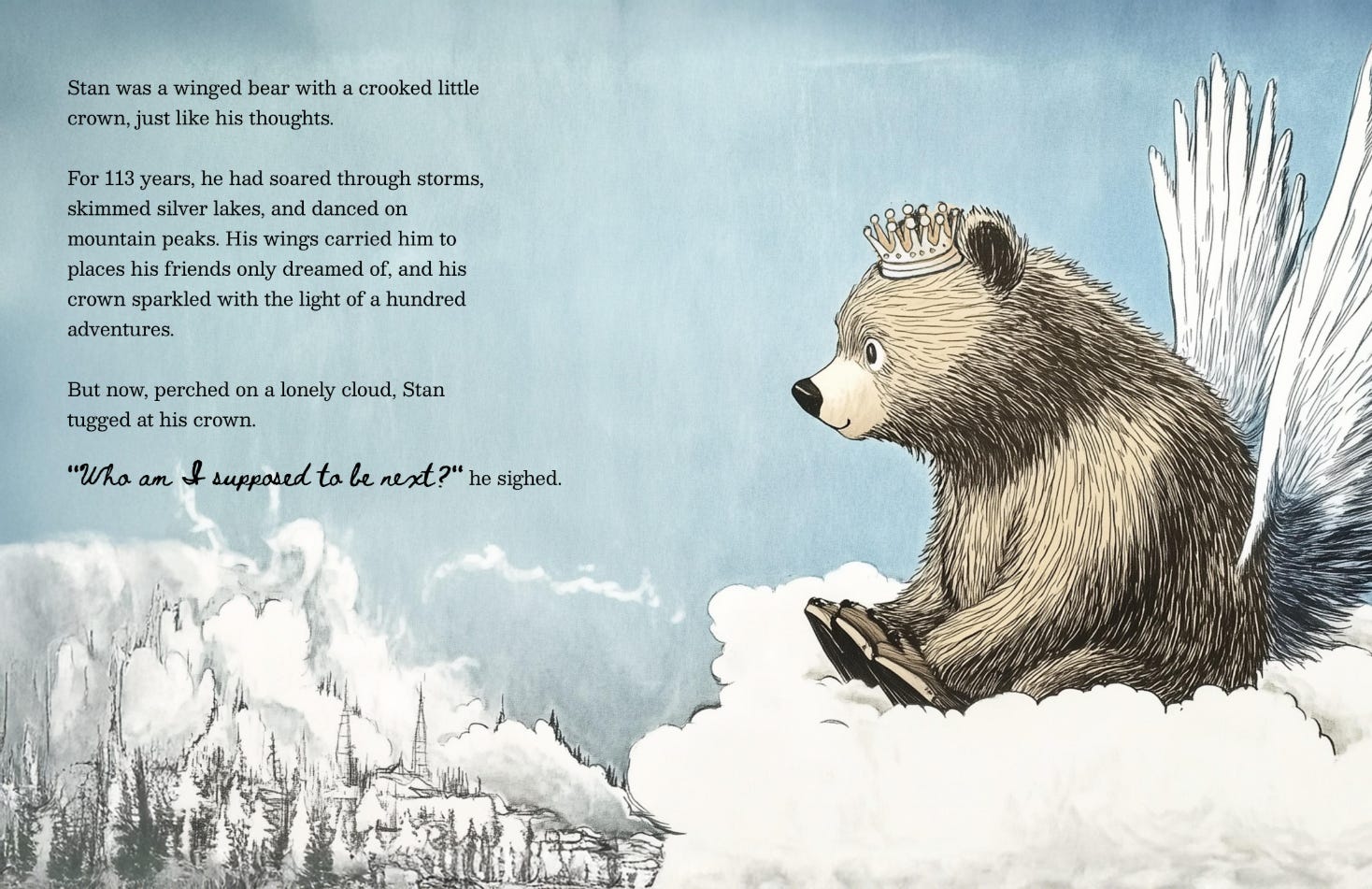
Play can’t be measured in obvious, rational ways. It’s a faithful pursuit. Relax the rules, trust your team, create a sense of safety. Play takes a bit of courage, and if you’re lacking that courage, then we’ve got plenty to share.

Worthy recommendations from Alex Anderson
Each issue, we share a series of recommendations from our team—both cultural artifacts (podcasts, books, essays, movies, playlists, etc.) and philosophical pursuits (questions, processes, advice, etc.).
Book? Lorne: The Man Who Invented SNL by Susan Morrison
Moved through this book very quickly & quite liked it. I don’t really know why I’m fascinated by SNL (I don’t even watch it) or Lorne as a person. I suppose there’s something compelling about his rise and long-lasting tenure: “If you learn how to stay afloat, and if you don’t expect that the show will always be great, if you know that it will go up and down, you’ll survive.”
Newsletter? Poet's Field Notes from T. De Los Reyes
A fantastic, sobering, enlivening, quiet newsletter where the author shares they’re learning from poets and artists whose work and creative processes continue to shape their own. The author also runs Read A Little Poetry, a long-time passion project.
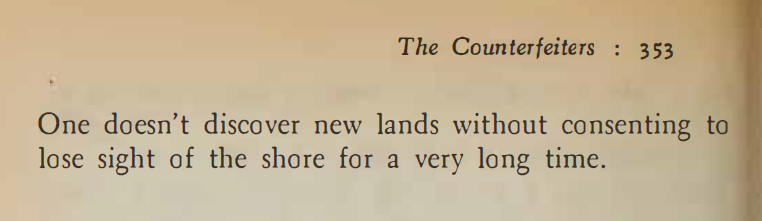
Advice? “Leave behind the familiar,” from André Gide

Links shared this month in Slack / over text / in decks
The Shape of Play, a Global Study (Mattel): “A world with more play isn’t just more joyful—it’s more innovative, inclusive, and hopeful. In fact, 70% of people believe play can be used to achieve important goals.”
Learning Through Play (The LEGO Foundation): “Children already know play is their superpower. We’re here to convince the grown-ups.”
Navigating By Aliveness (The Imperfectionists): “And so an excellent question to ask yourself when you’re facing a tough decision is: Does this feel like it’s taking me in the direction of greater aliveness?”
Can Sam Altman Be Trusted with the Future? (New Yorker): “Everything OpenAI did was the opposite of inevitable. We have been, in other words, seduced—lulled by the spooky, high-minded rhetoric of existential risk.”
What Happened to Gorpcore Brands? (Sportsverse): “All of a sudden, the noise died down. Brands and designers started calling their outdoors-inspired collections anything but gorpcore. The fashion kids began trading their chunky XT-6 for Adidas’ low-rise Sambas and Gazelles.”
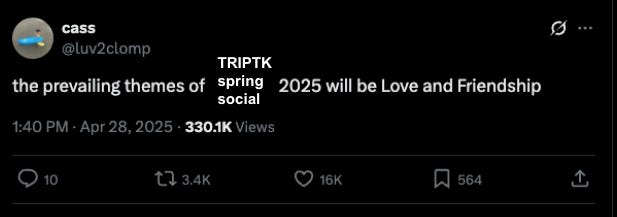
Play can also be rest. Our TRIPTK team recently met up around the world to be inspired, spend time in nature, and dream together. As we look towards summer, we’re spending equal time both searching for play and letting it find us.
About TRIPTK & Codex
TRIPTK is a brand & innovation consultancy. We partner with leaders to decode and recode critical cultural shifts, creating brand value for today and tomorrow.
Codex is a monthly newsletter sharing the TRIPTK perspective. It’s for readers who want to give more to culture: to contribute vs. appropriate, embed vs. watch from afar, lead vs. follow.
Any outsized opinions expressed here are solely the authors and do not represent the opinion of the company. If you like this newsletter, consider subscribing – or sharing with others who might enjoy it. Feel free to comment, email, say hey, and/or send us things to read.

Some employers think that if you work and have good time you’re not a good employee. They want you stressed and unhappy, maybe because they’re.