

Beyond Groupthink to Growth: Decoding the Blurring Lines Between B2B & B2C
Didn’t you hear? B2B is being reinvented again.

Each issue of Codex, written by a different member of the TRIPTK team, digs into the ephemera, artifacts, case studies, and conversations most interesting to them at the moment.
It’s for readers who want to give more to culture: to contribute vs. appropriate, embed vs. watch from afar, lead vs. follow. Join us for the ride.


Decoding the blurring lines between B2B & B2C & us
B2B marketing is getting harder.
More brands (58% more) are being considered as part of B2B buying journeys, closing a sale takes much longer than it used to, and incumbents aren’t winning as often. It’s a competitive game, “a game of inches,” and a game where marketers have to account for and interact with dozens of decision-makers.
With a longer lead cycle (and a collapsed buyer journey), finding ways to ensure brand relevance beyond the traditional sales pitch is increasingly more important.
B2B brands must resonate at a more emotional level. Almost ironically, business-to-business brands are well suited to this individual challenge—as we spend an immense amount of time with B2B brands each day.
Our consumer research has consistently told us an inconvenient truth: that people wouldn’t care if 75% of B2C brands disappeared. Attachment to brands is low, making it challenging to cut through.
However, our B2B research shows that the inverse is true in this space: 81% of B2B professionals would care if B2B brands disappeared. Put simply, building a strong brand is critical to building a strong business.” (Mark Sinnock, Global Chief Strategy Officer at Havas Creative Network)

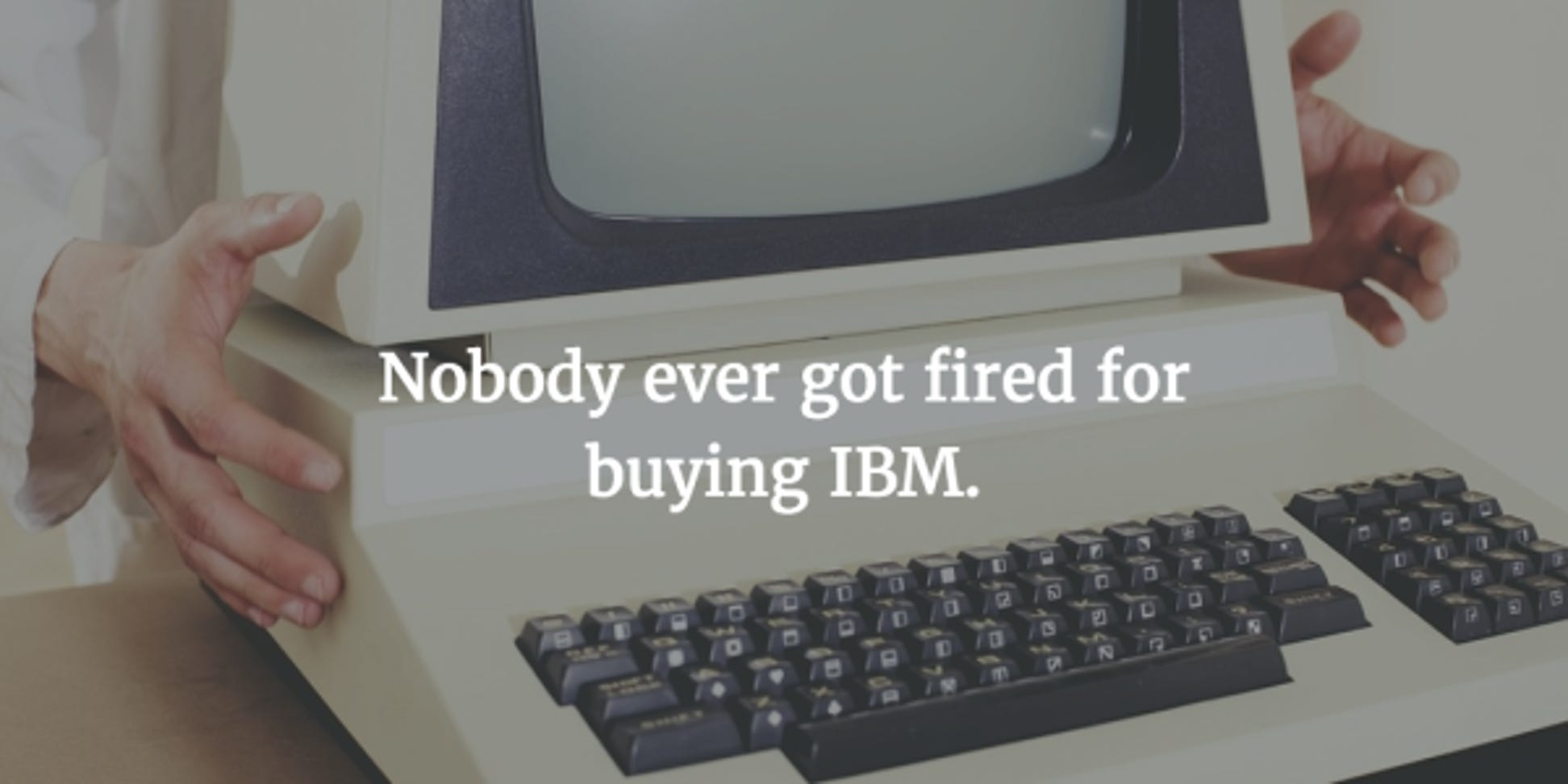
Historically there’s been a particular style to B2B marketing: journey-and-sales-led, thousands of whitepapers, a lot of nurturing and qualifying and schmoozing.
But if you’ve been paying attention to the AdAge headlines, apparently everything is about to change (again?). There’s been a recent realization amongst B2B brand marketers: perhaps it’s time that we operate our brands like the leading B2C brands: consumer-oriented, culturally relevant, marketing-led, creative, and loud.


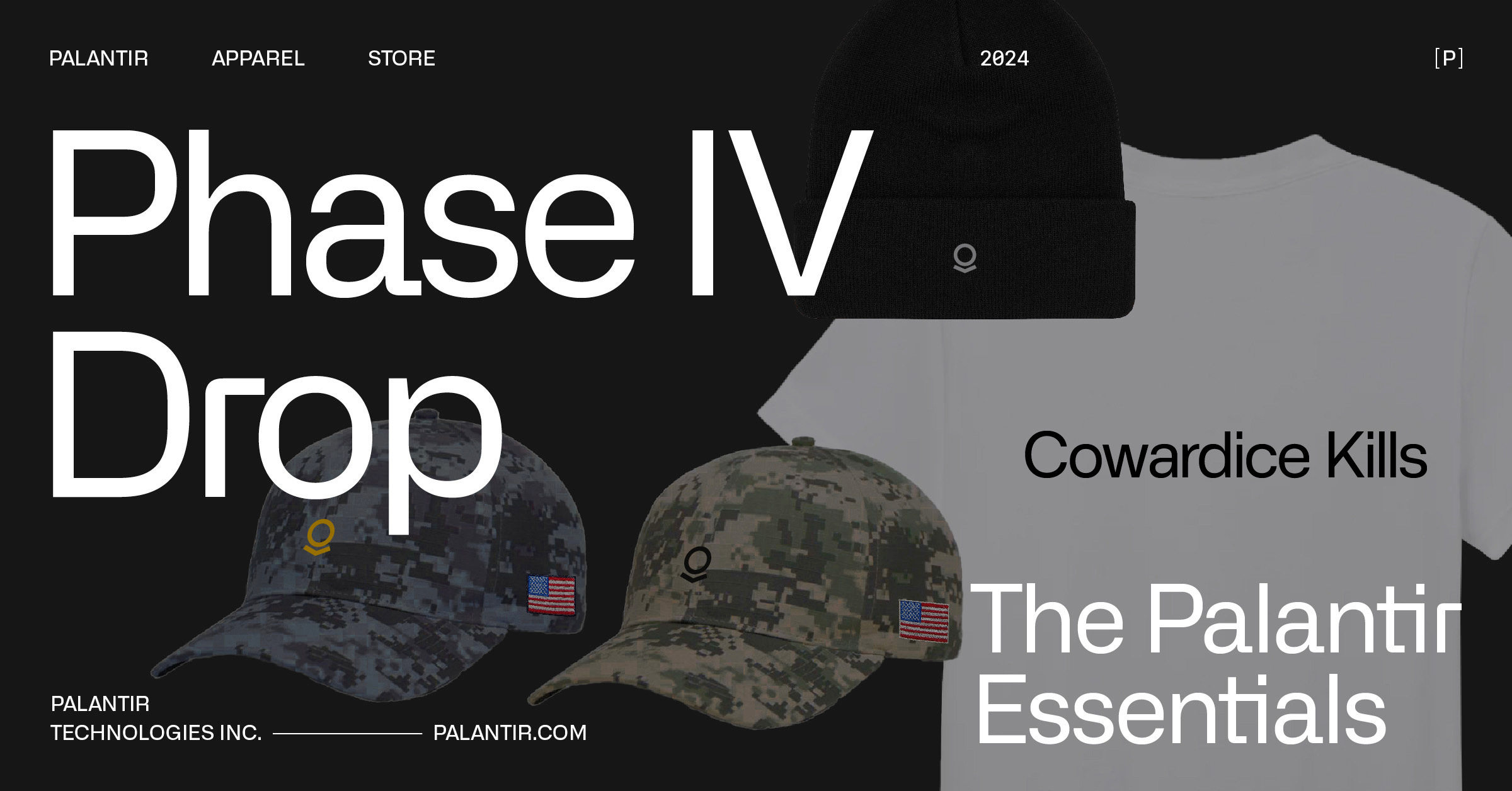
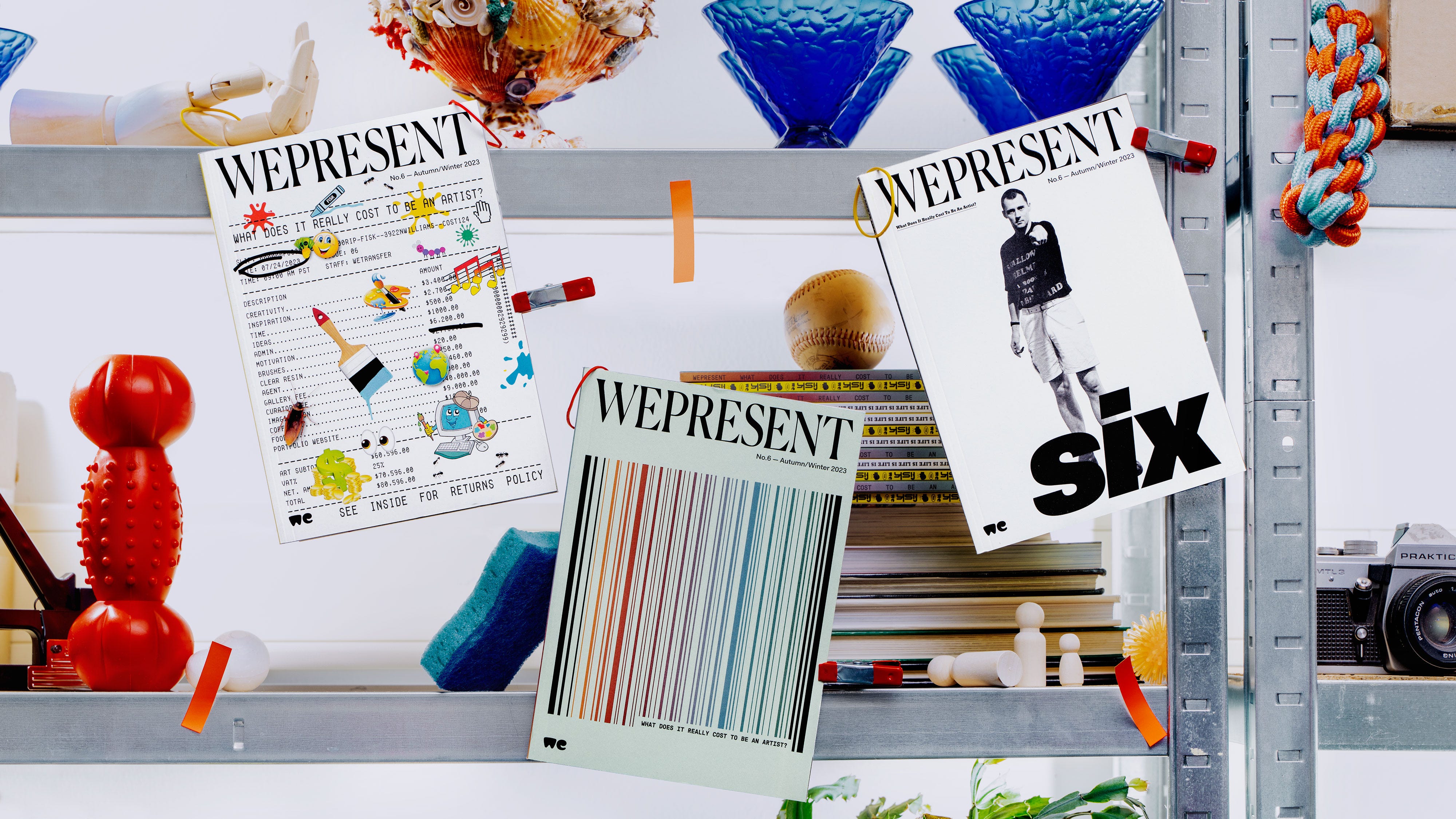
And lately, we’ve seen B2B brands crushing it: everything from the hypebeast-ification of the military industrial complex’s merch store, to a bowl-cut B2B Google ad, to Notion’s global OOH campaign, to the rise of corporate influencers and their “WorkTok” tendencies, or Workday’s Rock Star lifestyle, large SXSW-style conference events, and someone even killed email… or did they?
Thought leaders have prophesied a great creative shift in the B2B landscape for quite some time. But while we should applaud the work, we should know something.
What brands like Microsoft, WeTransfer, Mailchimp, Salesforce, or even Anduril have in common isn’t a B2C orientation—it’s the deep investment and overt care they display for their brands. They understand the B2B brand opportunity.
Recoding the brand opportunity in B2B marketing
This is a big one—there’s still plenty of untapped potential in B2B branding.
There’s a big value there being generated, with B2B still some way behind B2C. The top 100 [B2B] brands have about $2tn worth of value, but if you compare the percentage of brand value to business value, it's about a third off where B2C brands are; their representative value would be 3 trillion. So there's probably a trillion to gain there if they really upped their game. (Brand Finance 2024)
Unfortunately, with the amount of scrutiny placed on sales, product, and other traditional B2B marketing tactics, it’s often hard for brand leaders to consider the long-term expression of their company.
Investing in B2B brand influences the company’s internal culture, giving the deciding group permission to agree on a solution. Research shows that buyers will compromise on price or product quality, ignore their first choices, and make decisions faster in order to expedite the buying group’s agreement. As it turns out, no one is immune to social anxiety.
The job of selling colleagues on an unfamiliar product is so high, that the majority of both Hidden and Target Buyers will make major product, price and quality compromises in order to enable the Buyer Group to agree. (Linkedin B2B Institute)
So what should we focus on as B2B marketers, to have the most outsized impact and drive company-wide brand-thinking alongside the typical performance mindset? Three pillars create the foundation for B2B success:
Designing for real value: How can we define and deliver value on our customers’ terms?
Encoding core beliefs: How can we elevate and invest in our own core beliefs?
Democratizing corporate influence: How can we build a collaborative media ecosystem with long-term continuity?
Designing for real value
Buyers aren’t only thinking about the dozen-or-so performance criteria that makes your product special. They’re also considering whether a product will enhance their reputation internally, or reduce their anxiety, or even make them seem cool in their network or work-friend group. Recognizing and speaking to the full spectrum of emotion behind a purchase is necessary to providing real, tangible value.
Nearly three-quarters (71%) of B2B marketers rate their performance as strong for ‘communicating a distinct brand position or strong USP’ but buyers do not agree. (Marketing Week)
What could it look like: Value Mapping
Starting place: How can we define and deliver value on a customer’s terms?
Next step: Surveying value across the full customer experience to design sharper, more evocative brand propositions.
Company ROI
Allocating scarce resources and investment across teams
Balancing a mix of objective and subjective priorities
Supporting and bolstering a core brand narrative
Articulating how your innovation strategy ties back to your business strategy
Encoding core beliefs
This isn’t about becoming a more “human” brand—or even doing good in the world—but rather owning the enthusiasm that comes with being at the top of your game: software, manufacturing, healthcare, or something else. Belief offers teams real confidence to pursue new models, a vision to commit long-term to programs vs. short-term campaigns, and something evocative for customers to buy into.
The irony is that many B2B clients do genuinely create world-changing products and services, working on world-changing problems—whereas B2C is there selling sugar to kids and booze to their parents, chasing after this mysterious ‘purpose’. (The Drum)
What could it look like: Conviction Diagnostics
Starting place: How can we elevate and invest in our own core beliefs?
Next step: Understanding the right conditions for belief, and starting to make it a reality via behavioral experimentation.
Company ROI
Connecting beyond roles, verticals, or decision-making authority
Sustaining company momentum and progress forward
Creating the right conditions for culture change
Owning a foundational brand story to fight commoditization
Democratizing corporate influence
Today’s B2B buyers rely on a barrage of digital information to support their buying journey, often deprioritizing any given supplier’s sales reps. B2B collaborations, influencer campaigns, and media experimentation can build the credibility and trust that conversion needs: a strategy of targeted influence vs. reach.
One of the more interesting things in the B2B space is the level of engagement and involvement that customers can have with the brands. B2C is limited in how their brands can reach people, whereas some of our clients have products that their customers spend literally hours a day for years on end; they’ll travel thousands of miles to go and hear more about this particular product. So the brand gets to live, much more vibrant, and many more places. (The Drum)

What could it look like: Target Definition or Adaptive Journey Mapping
Starting place: How can we build a collaborative media ecosystem with long-term continuity?
Next step: Organizing engagement around flexible media moments to ensure brands remain relevant when decision time arrives.
Company ROI
Making the sale personal
Owning unique areas of industry conversation
Being present throughout the high stakes of purchase decisions
Creating customer community and ongoing engagement

Worthy recommendations from Alex & Dajou
Each issue, we share a series of recommendations from our team—both cultural artifacts (podcasts, books, essays, movies, playlists) and more philosophical pursuits (questions, processes, advice).
Holiday tradition? Crazy 8’s & Paul Giamatti
Dajou: Our annual Christmas tradition involves matching pajamas, collective decoration of the Christmas tree, and a very competitive card game of Crazy 8's to wrap up the evening.
Alex: My new favorite tradition (est. 2023) involves getting a dozen people together to watch the award-winning film The Holdovers while wearing some sort of vintage smoking jacket, drinking expensive cognac, and reflecting on my own trauma.
Cozy recipe? Pumpkin beef, pumpkin pie, pumpkin oats
Dajou: My family's way of serving up a hot bowl of love on a Cold Canadian day is Pumpkin Beef Soup. It's a one bowl combination of beef, pumpkin, sweet potatoes, yams, dumplings, and scotch bonnet peppers to add a kick.
Alex: I’m a pumpkin guy, and I say it proudly: a nutty pumpkin pie with orange zest and whipped cream. Or a lovely pumpkin baked oatmeal with a mascarpone cream.
End of year advice? Move forward, however you can
Dajou: The most celebratory moments of my year were made possible through personal, persistent progress, even when the rewards weren't immediately visible. For advice I look to the MLK Jr.'s quote: “If you can't fly, then run; if you can't run, then walk; if you can't walk, then crawl, but whatever you do, you have to keep moving forward.”
Alex: This isn’t exactly advice, but I love this sentiment from Vincent Van Gogh: “In spite of everything, I shall rise again; I will take up my pencil, which I have forsaken in my great discouragement, and I will go on with my drawing.” (Look at Dajou & I — both quote girlies, I suppose.)

Links shared this month in Slack / over text / in decks
The designer behind YEEZY's best shoes is taking over Crocs (Highsnobiety): “He's behind some of the industry's most influential shoes, having designed several innovative shapes now recognized as wildly prescient sneakers.”
5 GLP-1 marketing trends as brands jump on weight loss drug craze (AdAge): “There’s a steep learning curve in terms of supplementation and alternative lifestyle choices that will have an immediate impact on retailers and businesses.”
What's the point of buying a watch in 2024? (Highsnobiety): “Buying myself that watch, which I also wear on my left hand, was symbolic for me — of my independence, of a new chapter, and of how far I’ve come in my life.”
From millionaires to Muslims, small subgroups of the population seem much larger to many Americans (YouGov): “When people’s average perceptions of group sizes are compared to actual population estimates, an intriguing pattern emerges: Americans tend to vastly overestimate the size of minority groups.”
How queuing for stuff became just as important as buying it (The Face): “So much of culture boil[s] down to… Standing in Line to Buy Stuff That Makes You Feel Part of Something."
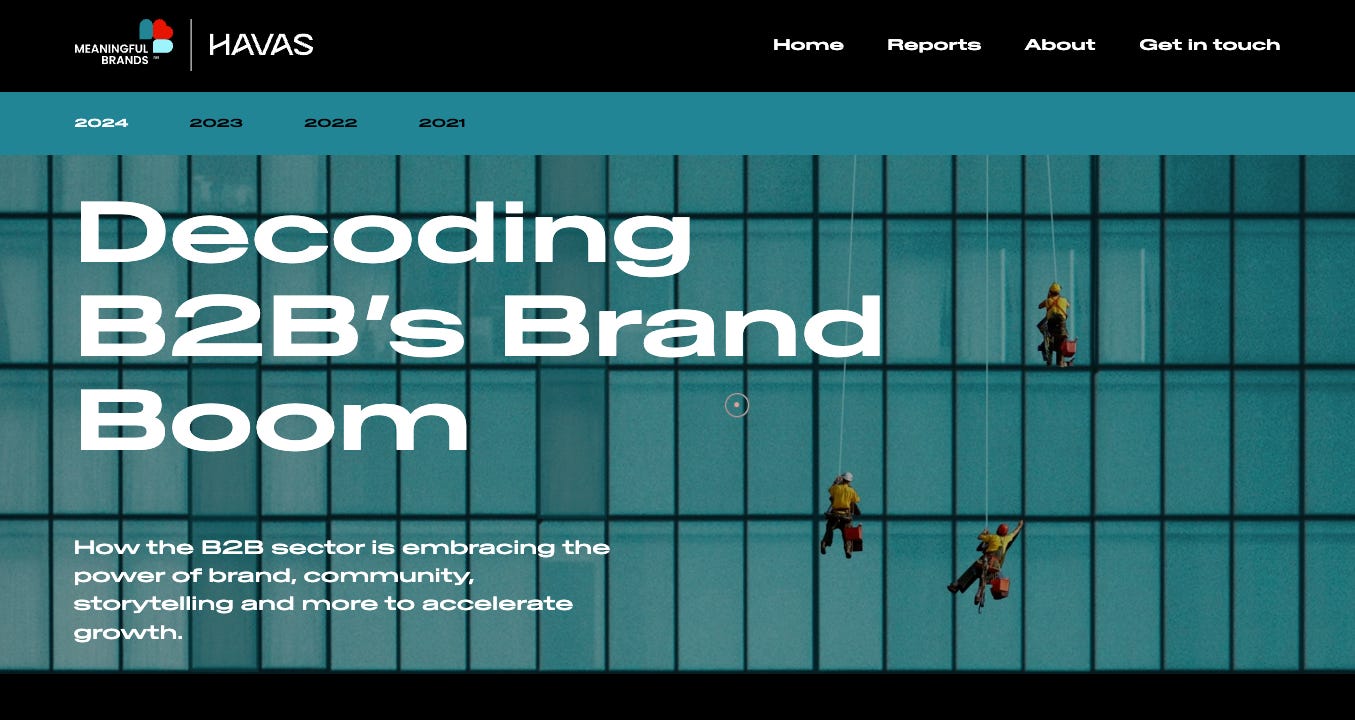
We’re thrilled to share the release of the Meaningful Brands™ Special Report, "Decoding B2B’s Brand Boom," a comprehensive report on the rising influence of branding in the B2B space.
The report explores how brand reputation has become a critical growth driver in the B2B space, the shift toward an integrated 'always-on' marketing approach, and the impact of brand on financial performance and customer engagement in today’s evolving digital landscape. To dive deeper, download the full report or reach out to our team at TRIPTK for a walk-through of the insights.
About TRIPTK & Codex
TRIPTK is a brand & innovation consultancy. We partner with leaders to decode and recode critical cultural shifts, creating brand value for today and tomorrow.
Codex is a monthly newsletter sharing the TRIPTK perspective. It’s for readers who want to give more to culture: to contribute vs. appropriate, embed vs. watch from afar, lead vs. follow.
Any outsized opinions expressed here are solely the authors and do not represent the opinion of the company. If you like this newsletter, consider subscribing – or sharing with others who might enjoy it. Feel free to comment, email, say hey, and/or send us things to read.
