

Artist-Platforms: Decoding the Brands Designing a New Cultural Ecosystem
Tracing the rise of artist-platforms as a new operating model for cultural production.

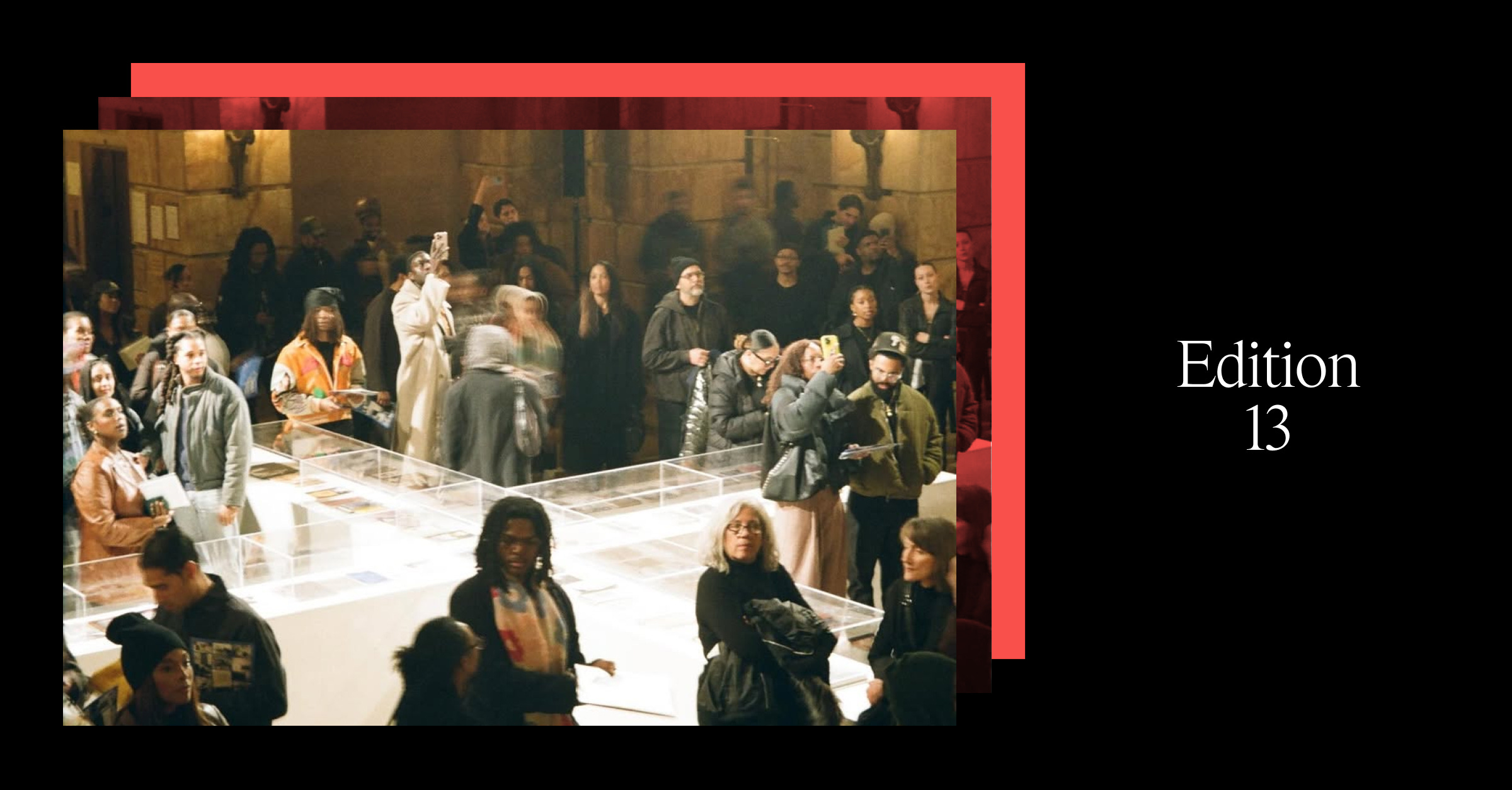
Each issue of Codex, written by a different member of the TRIPTK team, digs into the ephemera, artifacts, case studies, and conversations most interesting to them at the moment.
It’s for readers who want to give more to culture: to contribute vs. appropriate, embed vs. watch from afar, lead vs. follow. Join us for the ride.


Decoding How Artist-Platforms Make Culture Happen
Since studying cultural theory at university, I’ve been obsessed with how culture moves—what people talk about, what they share, what they participate in. Historically, cultural capital moved through galleries, studios, and coffee shops. Today, much of it lives online, in communities, platforms, and networks.
Working in the brand world, I’ve seen countless brands try to play in digital culture. Most miss the mark. They either:
Broadcast: shout about themselves, telling people what to buy or why to care.
Intrude: force themselves into moments that weren’t theirs, hoping to ride someone else’s wave.
Then there are the winners: celebrity brands. Rhode’s viral lip gloss cases, Skims’ nipple bras and murkins, Sabrina Carpenter’s chocolate-shaped perfume – moments in culture that are shared, debated, and remembered. These brands get it: cultural relevance isn’t a nice-to-have, it’s the difference between being remembered and fading into the feed. When you understand context, serve communities, and participate authentically, brand and culture can actually intersect.
Online culture is one thing. There’s still a massive white space in culture: the places where it’s created, not just consumed. Working in museums and galleries early in my career made it clear: the physical infrastructure of culture (studios, clubs, third spaces) is disappearing or underfunded. Real-world creativity hasn’t moved online or vanished; it’s been displaced.
Once again, celebrities are ahead of the curve.
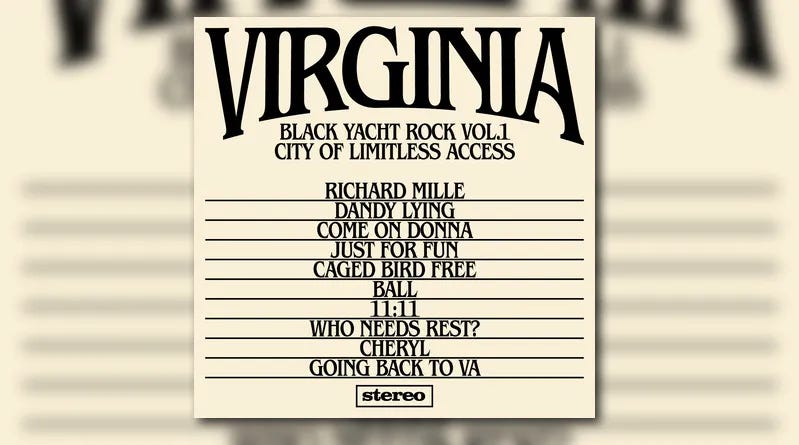
They’re leveraging their creative and artistic credibility to build ‘Artist-Platforms’—like Saint Heron, Project 3, or VIRGINIA—reshaping the infrastructure of culture itself. Their investment in production hubs, curated spaces, mentorship, and collaborative networks is giving room for new ideas and artists to thrive.
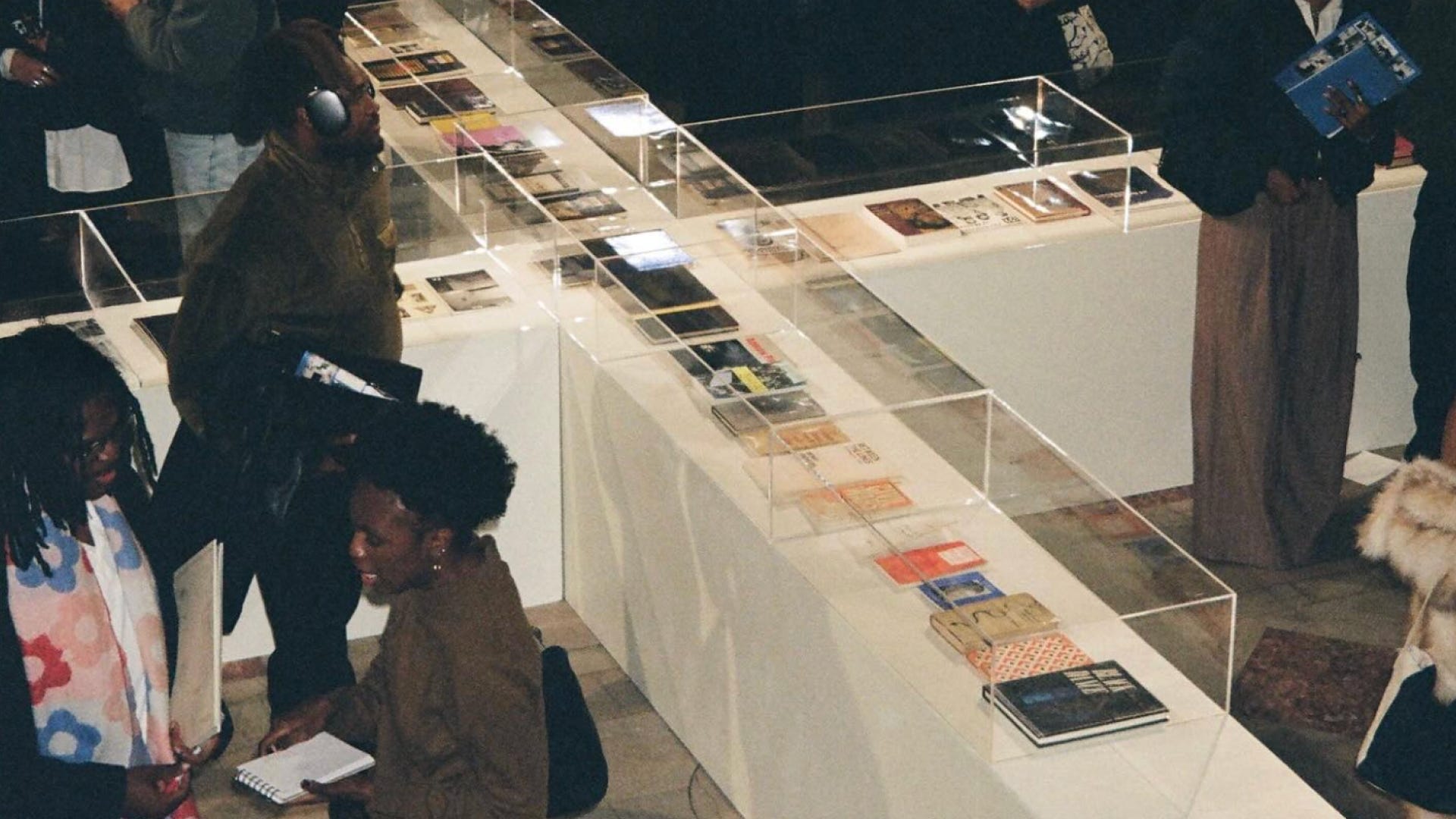
These Artist-Platforms work less like traditional consumer brands and more like cultural institutions—part commercial, part creatively-motivated. Each rewrites the rulebook in its own way, here’s a few:
Saint Heron: Solange’s platform and label supporting Black creatives through music, editorial, and events.
VIRGINIA: Pharrell Williams’ incubator across music, fashion, and design, offering mentorship and collaboration opportunities.
Beau Society: A digital lifestyle space by Hailee Steinfeld, curating community outside of social media.
The Wondaland Society: Janelle Monáe’s creative collective connecting hip-hop to broader cultural worlds, across music, film, literature, performance, and digital media.
Hello Sunshine: Reese Witherspoon’s media company creating content by and for women, spotlighting underrepresented stories and voices.
But they share a common goal; (re)building the infrastructure where culture seeds, grows, and happens. How do they do it?
Cultural Output: They create spaces for ideas to grow – curated content, production hubs, mentorship programs, and collaborative networks.
Domain Expertise: Founders and teams bring artistic credibility, lived experience, and deep knowledge of their cultural arenas.
Contribution Over Transaction: Instead of chasing visibility, they invest in cultural capital, giving communities room to thrive.
In short: they make culture possible, not just visible. And that’s crucial—because right now, the brands that invest in shaping the spaces where culture is created aren’t just winning attention, they’re building trust, participation, and long-term relevance. Storytelling alone no longer cuts it; the real advantage comes from putting resources into making culture tangible.
Recoding Brand Participation in Culture
Brands build cultural resonance when they show up where they have real credibility. The places where culture grows and happens—spaces shaped and inhabited by artists, creators, and tastemakers—are where audiences notice, engage, and form deeper connections to brands. Take Pharrell: his roots in fashion and music make VIRGINIA feel like a natural extension of his world. That’s the blueprint worth following.
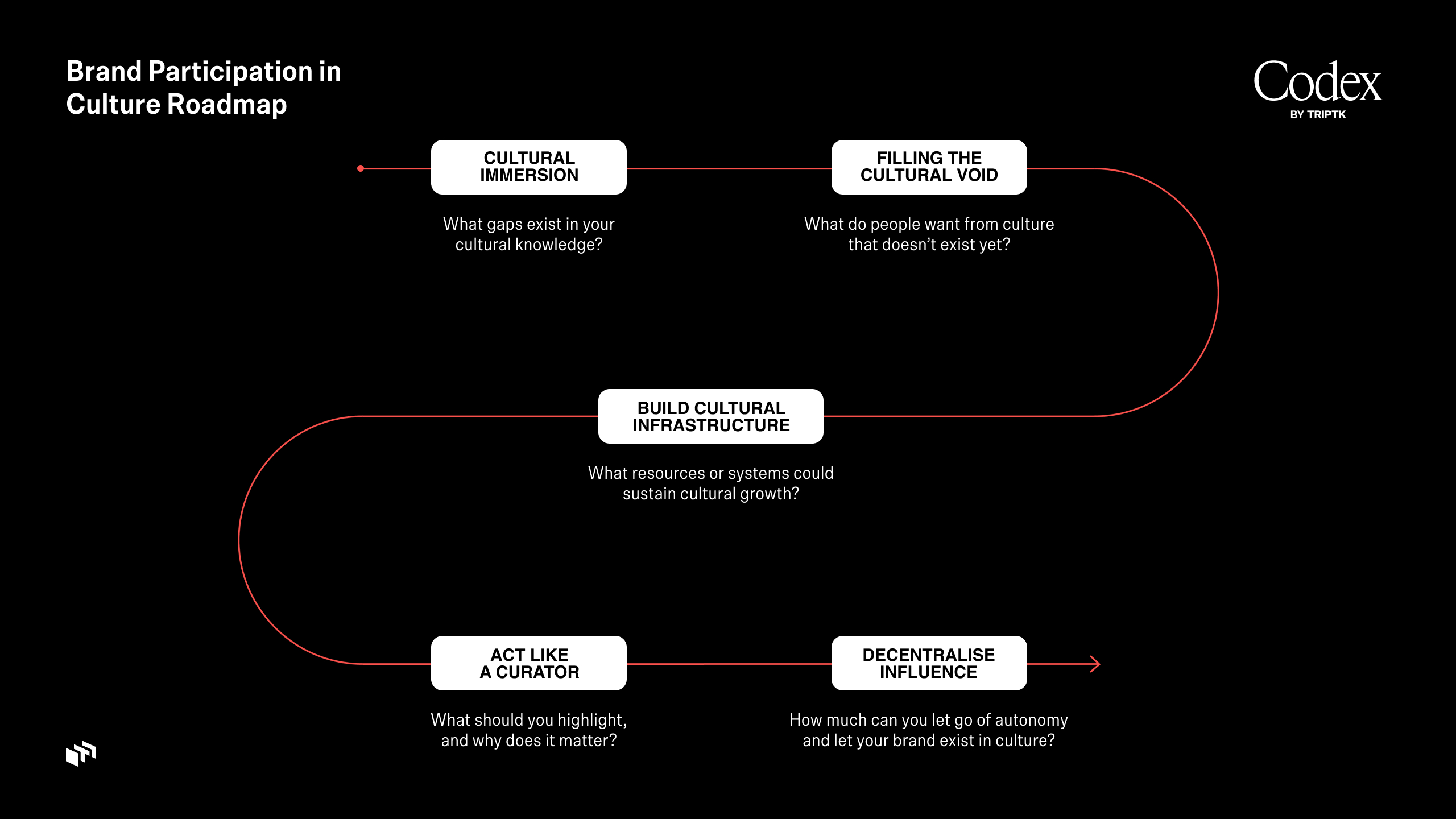
[Step 01] Cultural Immersion
Artist-Platforms understand culture because they’ve spent years interacting with communities—getting to know people, observing what resonates, and learning how communities behave. For most brands, that kind of cultural intimacy doesn’t exist yet, but it can be built. Go beyond demographics and surface-level research to understand why people care, what they participate in, and how they share culture.
Why not…
Spend a week inside the communities you want to reach?
Set up micro‑communities who surface what’s emerging in real time, instead of waiting for a trend report?
Commission cultural insiders to map what doesn’t get talked about, not just what trends?
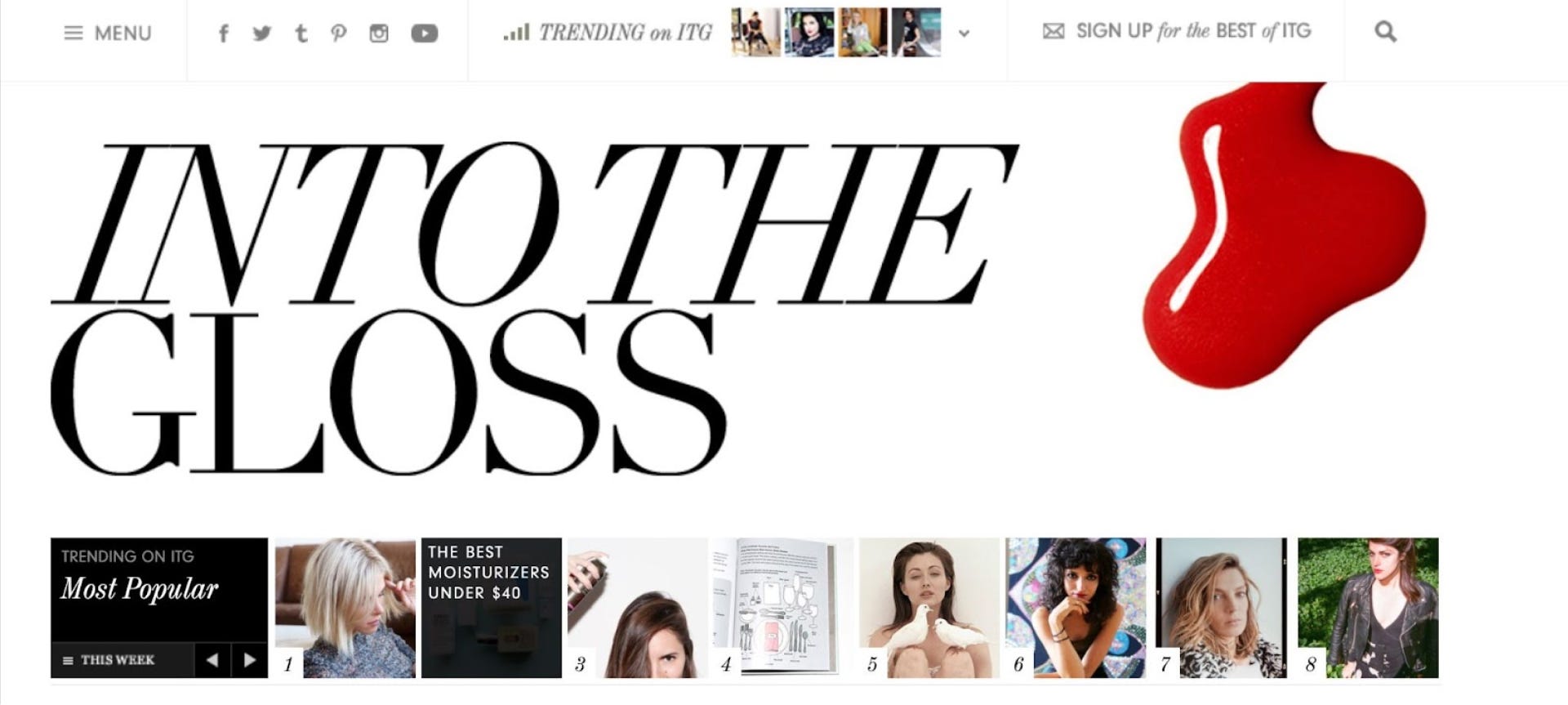
Glossier’s early strategy grew from listening to communities on Into The Gloss; products, language, and campaigns were shaped by real behaviors and feedback.
[Step 02] Filling the Cultural Void
Platforms win by noticing what’s missing: the tools, spaces, or networks that culture needs to actually grow. Brands can’t (and shouldn’t) be everything to everyone. The trick is to find a specific gap your brand can fill, then build, nurture, and maintain it – creating a space where culture can actually happen.
Why not…
Ask communities directly what they want access to, but don’t yet have, and build that?
Focus on one meaningful contribution rather than spreading thin?
Redirect budget from a traditional campaign into creating a tool, space, or network that culture is craving?

LuckyChap Entertainment, Margot Robbie’s production company, opens up space for female directors with films like Promising Young Woman – a provocative story Hollywood’s current ecosystem would likely have overlooked.
[Step 03] Build Cultural Infrastructure
Studios, mentorship, curated content, collaborative networks: these are the levers that let ideas thrive. The key is creating infrastructure that goes beyond visibility or transactions, giving people space to explore, create, and connect. By helping people to participate in culture, the brand earns its place alongside them.
Why not…
Turn unused brand assets (like studios, warehouses, stores) into open cultural workspaces?
Turn your loyalty program into a cultural grant scheme that funds emerging creators?
Create a permanent residency program where communities shape what your brand produces next?
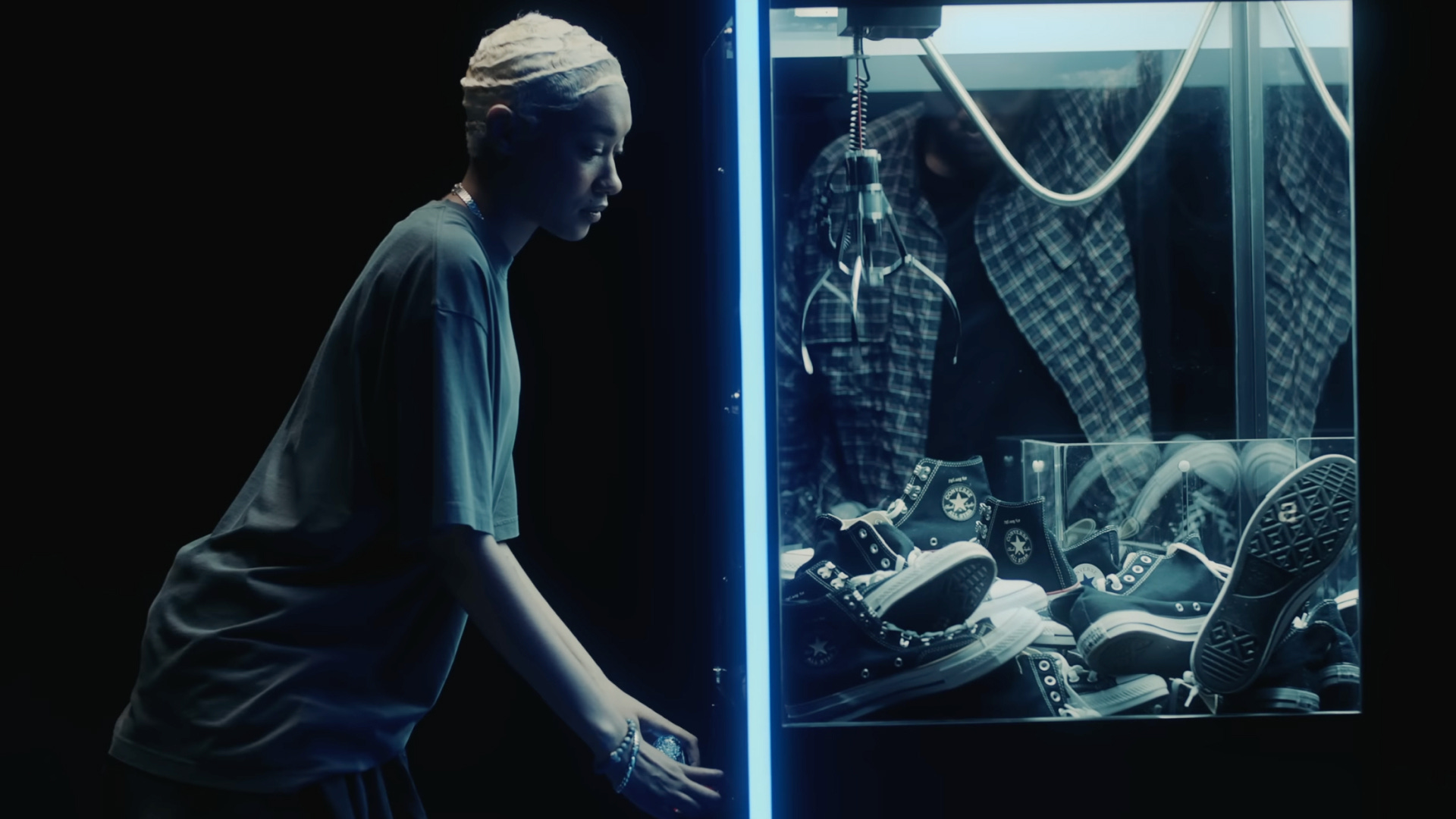
Kendrick Lamar’s PGLang and Project 3 give emerging filmmakers, musicians, and designers access to studios, equipment, and mentorship that are usually only accessible to those with major labels.
[Step 04] Act Like a Curator
Platforms like Saint Heron act as cultural curators—think museum, archive, or publication rather than a traditional commercial entity. Brands can give audiences access to meaningful ideas, emerging trends, and cultural happenings they might not otherwise encounter. It’s about creating a space where discovery and learning are front and centre.
Why not…
Share your archives and let communities remix them into new creative projects?
Commission your audience to curate playlists, exhibitions, or archives under your brand’s banner?
Reimagine your website as an interactive playground – a space where audiences explore, play, and connect?
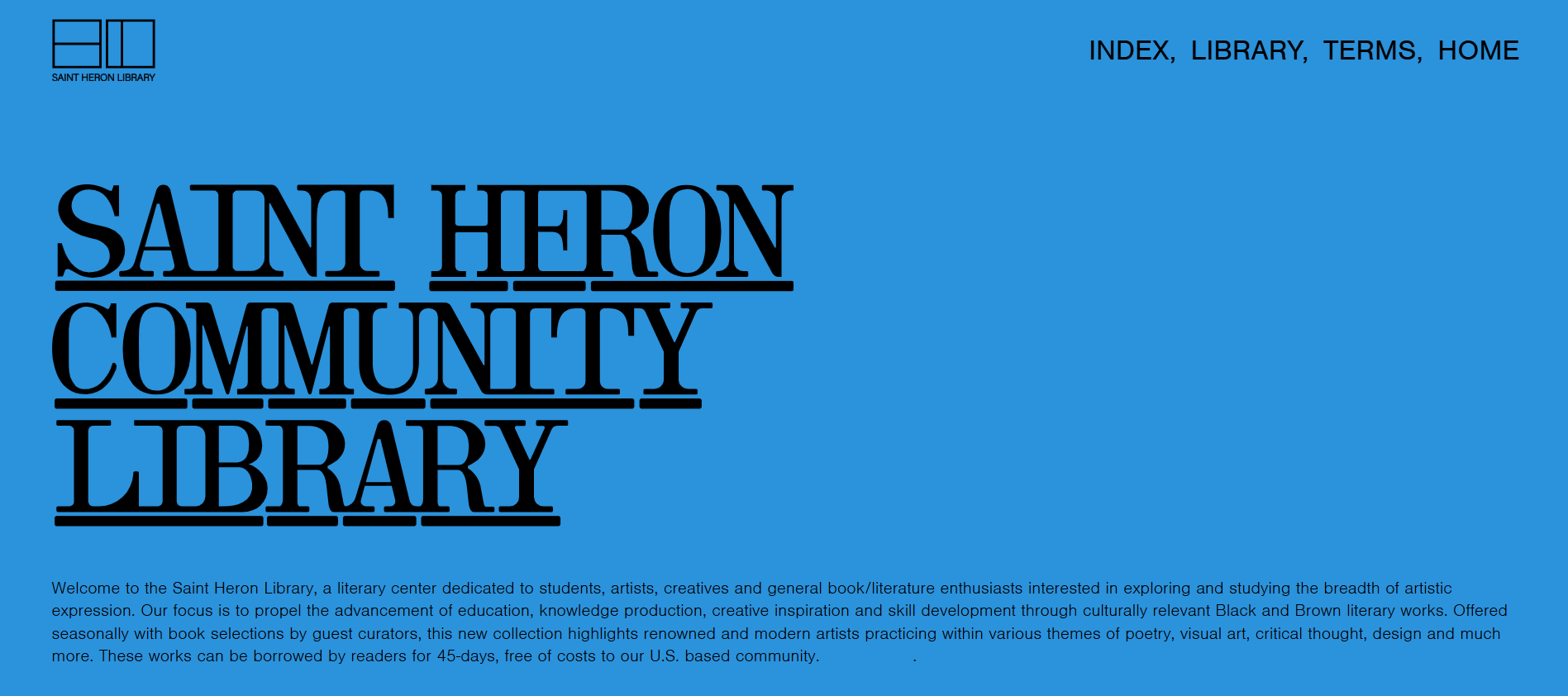
Saint Heron Library curates books, essays, and multimedia by Black and Brown creatives to expand access to ideas, inspiration, and cultural knowledge.
[Step 05] Decentralise Influence
Artist-Platforms give creators, communities, and audiences the ability to co-create and participate. Giving your community a voice, a role, or a space to shape content strengthens trust and creates lasting engagement. Brands can take this lesson too. Resist the urge to control everything—facilitate, support, and let others lead.
Why not…
Hand over your platform to emerging voices for a season, letting them set the tone?
Turn your next campaign into an open call – anyone can pitch, prototype, and co‑create with you?
Why not invite loyal customers into every phase of product creation, from idea to launch?

Rather than just a brand ambassador, Maison Christian Louboutin tapped Jaden Smith as its first-ever Men’s Creative Director, giving him the reins over collections, campaigns, and experiences.
For brands trying and failing to succeed in culture, it’s time to get out of the comment section and start learning from Artist-Platforms.
Their success and prevalence right now stand as a case study in what happens when cultural capital is invested back into culture.

Worthy recommendations from Shannon Stocker
Each issue, we share a series of recommendations from our team – both cultural artifacts (podcasts, books, essays, movies, playlists) and more philosophical pursuits (questions, processes, advice).
Book? The Dry Heart by Natalia Ginzburg
This was my favourite book of 2024, and it’s quickly become my go-to gift for my bookish friends. On the first page, a woman kills her husband. After that, Ginzburg unpacks the quiet tragedy of their marriage—it’s dark and witty, which is my favourite kind of literature.
Music? Margeaux Labat
Margeaux’s Spotify playlists are my soundtrack every working day—whether at home or in the TRIPTK London office. They’re eclectic, chill, and embody Sunday-morning-vibes. I recommend her NTS show Self Soothe for easy listening.
Advice? Being bored is essential
My attention span these days is about 15 seconds long (thanks, TikTok). But there’s a surprisingly simple fix: being bored. I first came across this idea on TikTok, then saw it again in Stylus’ Wellness report, and it’s stuck with me ever since.
Not scrolling through your phone, not doing chores, not reading – just allowing yourself to do nothing. It turns out that this kind of deliberate boredom is actually great for your wellbeing, creativity, and focus. Honestly, it’s probably the best piece of advice I’ve come across in 2025.

Links shared this month in Slack / over text / in decks
The Hatred of Podcasting (The Baffler): “The episodes are a layer of white noise, a way to blot out thoughts. Podcasts came of age amid the growing absence of meaningful contact in the average person’s day, in a time when silence is hated.”
Only Bad Poems Go Viral (Stephanie Yue Duhem): “So maybe viral poems are not (only) inherently bad—maybe virality itself corrupts our ability to engage with poetry. In our rush to signal our tastes and allegiances through takes, we’ve forgotten how to sit quietly with a poem.”
Stop, Shop & Scroll (The Verge): “For audiences, it means we have spent the better part of a decade living within a 24/7 digital infomercial, with social media — sponsored content and organic posts alike — resembling not much more than a buying guide, a catalog of unabashed and conspicuous consumption.”
In 1844, Chess Was Already Online (IEEE Spectrum): “To show the variety of the operations of the telegraph, a game of draughts [checkers], and several games of chess, have been played between the cities of Baltimore and Washington, with the same ease as if the players were seated at the same table.”

It’s that time. Go listen to the perfect holiday playlist — from TRIPTK & Saint James Joy. Thank you to our clients, collaborators, and friends for the trust, partnership, and generosity you brought to the work this year. We’re deeply grateful for everything we’ve built together and look forward to continuing the journey in the year ahead.
About TRIPTK & Codex
TRIPTK is a brand & innovation consultancy. We partner with leaders to decode and recode critical cultural shifts, creating brand value for today and tomorrow.
Codex is a monthly newsletter sharing the TRIPTK perspective. It’s for readers who want to give more to culture: to contribute vs. appropriate, embed vs. watch from afar, lead vs. follow.
Any outsized opinions expressed here are solely the authors and do not represent the opinion of the company. If you like this newsletter, consider subscribing – or sharing with others who might enjoy it. Feel free to comment, email, say hey, and/or send us things to read.
